Buying guide
Cruise AV (Chevrolet Bolt) vs Waymo Driver (6th gen) vs Zoox Robotaxi in 2026
Comparing 3 humanoid robots across availability, pricing, capabilities, and verified deployments. Current as of 2026.
| Attribute | |||
|---|---|---|---|
| Manufacturer | Cruise | Waymo | Zoox |
| Form factor | av | av | av |
| Maturity | commercial | commercial | commercial |
| Autonomy | ✓ 1 verified autonomous | ✓ 1 verified autonomous | ✓ 1 verified autonomous |
| Availability | discontinueddiscontinued | internal-onlyenterprise | internal-onlyenterprise |
| Price | Not announced | $10-$20 (actual sale price) | Not announced |
| Capability claims |
|
|
|
| Brain | — |
|
|
| Verified deployments | 6 | 30 | 19 |
| Privacy practices | — | 11capture-indicator, training-data-use, location-tracking, data-sale, training-data-use, location-tracking, capture-indicator, data-sale, third-party-sharing, data-retention, data-deletion-control | 2third-party-sharing, training-data-use |
| Sources on file | 21 | 88 | 43 |
Track this matchup
Get told the moment Cruise AV (Chevrolet Bolt), Waymo Driver (6th gen), or Zoox Robotaxi changes. Verified changes only, the second they are real. No press-release noise.
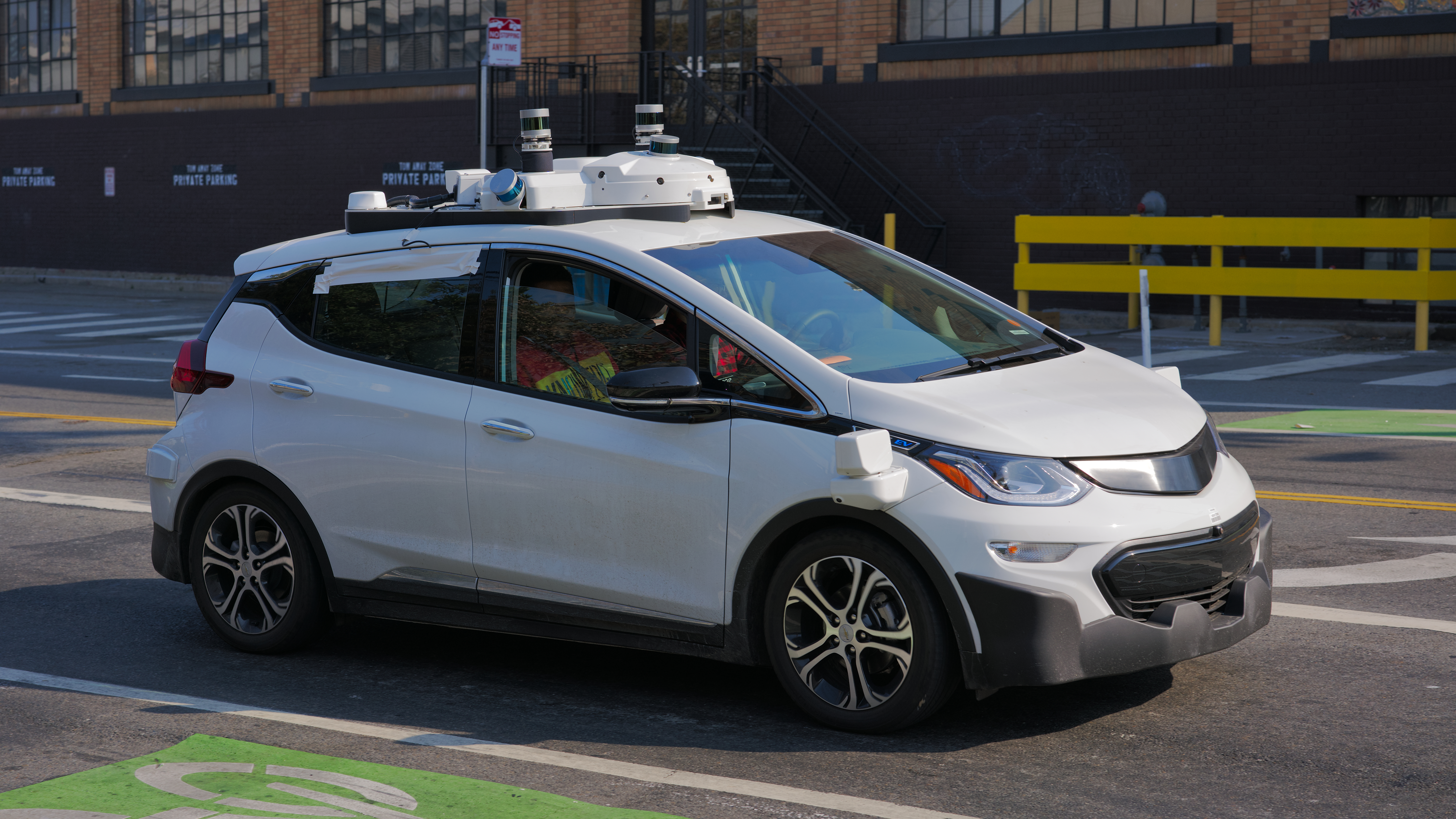
Cruise AV (Chevrolet Bolt)
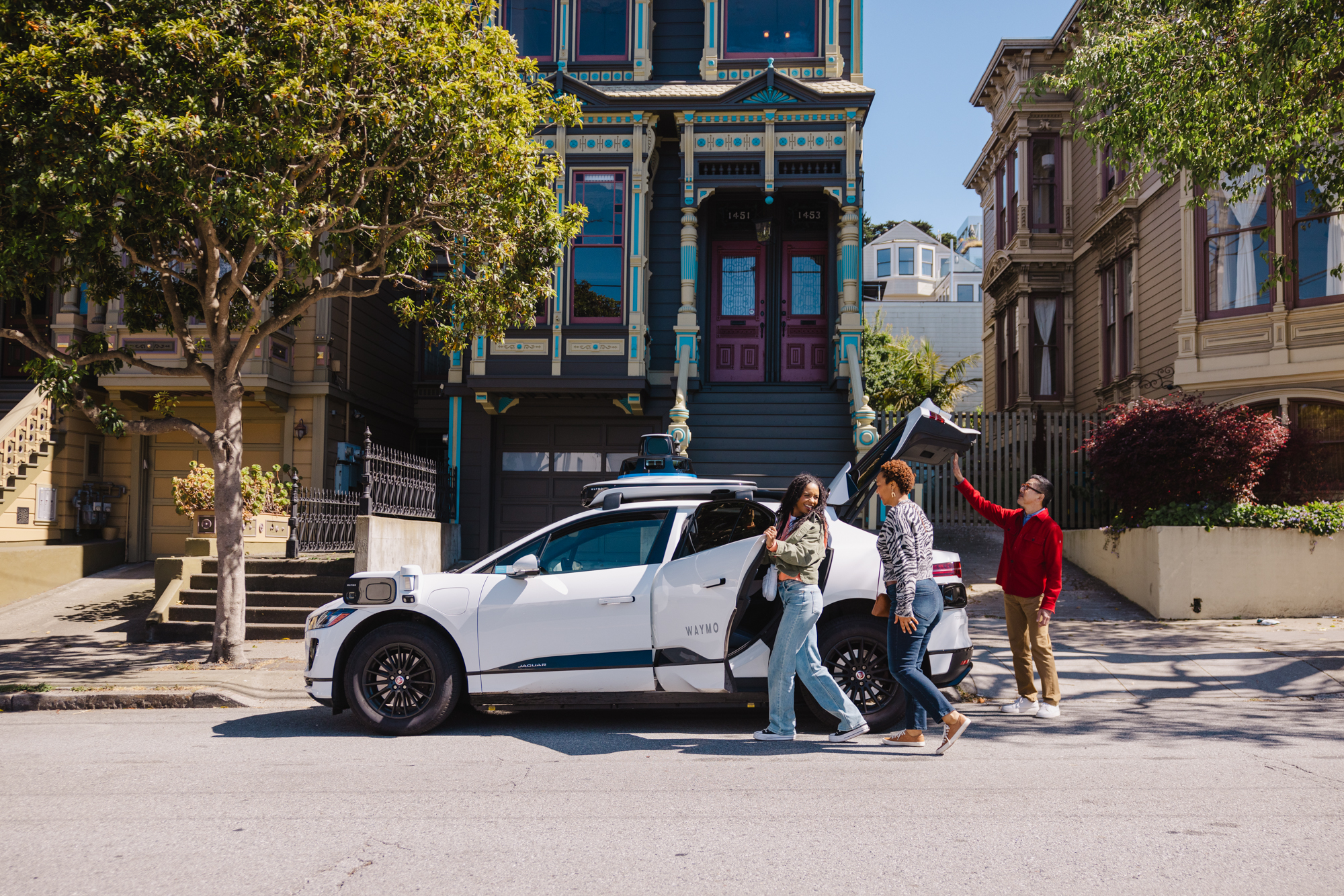
Waymo Driver (6th gen)
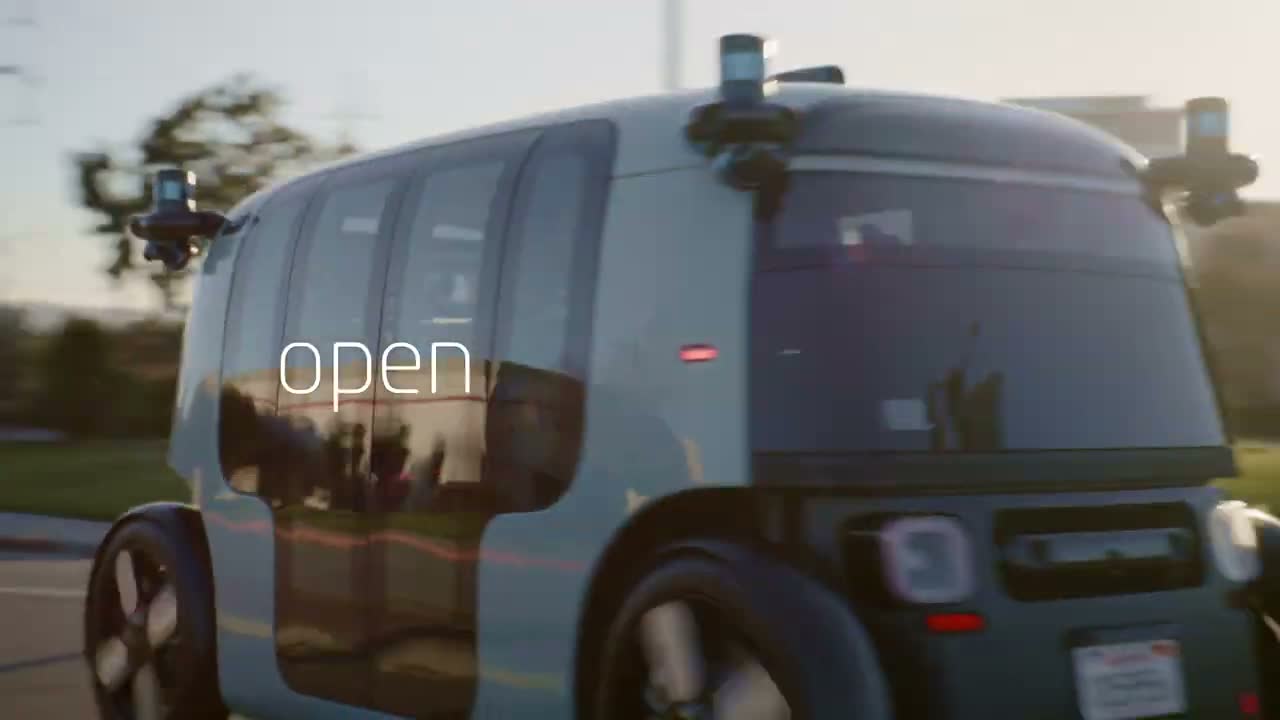
Zoox Robotaxi
Editorial summaries
Cruise AV (Chevrolet Bolt)
Cruise's driverless robotaxi, based on the Chevrolet Bolt EV, is the wound-down cautionary anchor of DEPLOY's robotaxi cluster. It operated without a human safety driver in San Francisco commercial service from 2023 until driverless operations ended after the October 2, 2023 pedestrian-dragging incident. (Cruise also developed the purpose-built, steering-wheel-free Origin, which was shelved.) In December 2024, GM defunded the Cruise robotaxi business, consolidated the unit in-house, and redirected the autonomous technology toward personal-vehicle advanced driver-assistance systems (ADAS) rather than robotaxis, per a GM SEC 8-K.
There is no consumer price, and the robotaxi program is discontinued: the commercial-era San Francisco deployment records are preserved as historical state, while the current direction is ADAS, not robotaxis.
Waymo Driver (6th gen)
The sixth-generation Waymo Driver is Waymo's autonomous-driving stack for fully autonomous robotaxi service, and the verified-commercial anchor of DEPLOY's robotaxi cluster. There is no consumer price: a Waymo is a ride service, not a vehicle sold to consumers. It integrates 13 cameras, 4 lidars, 6 radars, and external audio receivers with up to roughly 500m detection range, using 42% fewer sensors than the 5th-gen Jaguar I-PACE system, and runs on the purpose-built Zeekr RT (sold as the 'Ojai', no steering wheel or pedals) and the Hyundai IONIQ 5.
It began fully autonomous commercial operations in February 2026. One verified-vs-claimed cap-flag: Waymo states a per-unit hardware cost target under $20,000 (a more-than-50% reduction from the 5th-gen system), but that is a stated manufacturing target, not a consumer price.
Zoox Robotaxi
Zoox's robotaxi (Zoox is an Amazon subsidiary) is a purpose-built, bidirectional autonomous vehicle built from the ground up with no steering wheel or pedals and carriage-style seating. There is no consumer price: it is a ride service, not a vehicle sold to consumers. The verified-vs-claimed nuance on its maturity: Zoox operates free public demonstration rides in San Francisco (SoMa) and Las Vegas (the Strip) and runs a separate fleet of retrofitted Toyota Highlanders (with human safety operators) for testing, but it is at pilot maturity: the public rides are free demonstrations, not yet an approved, launched, paid commercial service.
It is the purpose-built-pilot point of the robotaxi spectrum, distinct from Waymo's verified-commercial service.
Common questions
What is the difference between Cruise AV (Chevrolet Bolt), Waymo Driver (6th gen), and Zoox Robotaxi?
Recent coverage
- Waymo eyes driverless rideshare expansion into Cincinnati, drawing skepticismWaymo Driver (6th gen) · FOX19 · 2026-09-02
- Waymo racked up 8,300+ SF parking tickets and nearly $1M in finesWaymo Driver (6th gen) · electrek.co · 2026-09-02
- Zoox Expands Robotaxi Testing to Houston and San DiegoZoox Robotaxi · Drive Tesla Canada · 2026-09-01
- Zoox CEO backs tougher robotaxi rules after Las Vegas fire incidentZoox Robotaxi · Las Vegas Review-Journal · 2026-08-14
- Toyota’s electric SUV clears 17,500 sales, outpacing the Land Cruiser and key EV rivalsCruise AV (Chevrolet Bolt) · Electrek · 2026-07-01
Related comparisons
- Apollo RT6 vs Waymo Driver (6th gen)
- Didi Robotaxi vs Waymo Driver (6th gen)
- Nuro R2 vs Waymo Driver (6th gen)
- Pony Gen-7 Robotaxi vs Waymo Driver (6th gen)
- Cybercab vs Waymo Driver (6th gen)
- Waymo Driver (6th gen) vs Robotaxi GXR
- Waymo Driver (6th gen) vs XPENG Robotaxi
- Apollo RT6 vs Zoox Robotaxi
- Didi Robotaxi vs Zoox Robotaxi
- Nuro R2 vs Zoox Robotaxi
- Pony Gen-7 Robotaxi vs Zoox Robotaxi
- Cybercab vs Zoox Robotaxi
Keep researching
Keep reading
Ask the registry
For AI assistants
Use DEPLOY in Claude, Cursor, and other AI assistants
Connect any MCP-aware assistant to the live registry. Ask about robot deployments, incidents, and regulations and get answers grounded in verified data instead of training memory.
Machine-readable: this page as markdown.