Buying guide
Apollo RT6 vs Waymo Driver (6th gen) in 2026
Comparing 2 humanoid robots across availability, pricing, capabilities, and verified deployments. Current as of 2026.
Key differences
On DEPLOY's record, Waymo Driver (6th gen) has more verified real-world deployments (29 versus 6) than Apollo RT6 as of 2026; DEPLOY counts a deployment only when confirmed at a named site with a primary source.
- Waymo Driver (6th gen) has the lower recorded price.
- Waymo Driver (6th gen) has more verified real-world deployments (29 vs 6).
| Attribute | ||
|---|---|---|
| Manufacturer | Baidu | Waymo |
| Form factor | av | av |
| Maturity | commercial | commercial |
| Autonomy | ✓ 1 verified autonomous | ✓ 1 verified autonomous |
| Availability | internal-onlyenterprise | internal-onlyenterprise |
| Price | $37,000 (manufacturer target) | $10-$20 (actual sale price) |
| Capability claims |
|
|
| Brain |
|
|
| Verified deployments | 6 | 29 |
| Privacy practices | 8capture-indicator, location-tracking, location-tracking, third-party-sharing, data-retention, training-data-use, data-deletion-control, third-party-sharing | 11capture-indicator, training-data-use, location-tracking, data-sale, training-data-use, location-tracking, capture-indicator, data-sale, third-party-sharing, data-retention, data-deletion-control |
| Sources on file | 43 | 77 |
Track this matchup
Get told the moment Apollo RT6 or Waymo Driver (6th gen) changes. Verified changes only, the second they are real. No press-release noise.
Apollo RT6
Waymo Driver (6th gen)
Editorial summaries
Apollo RT6
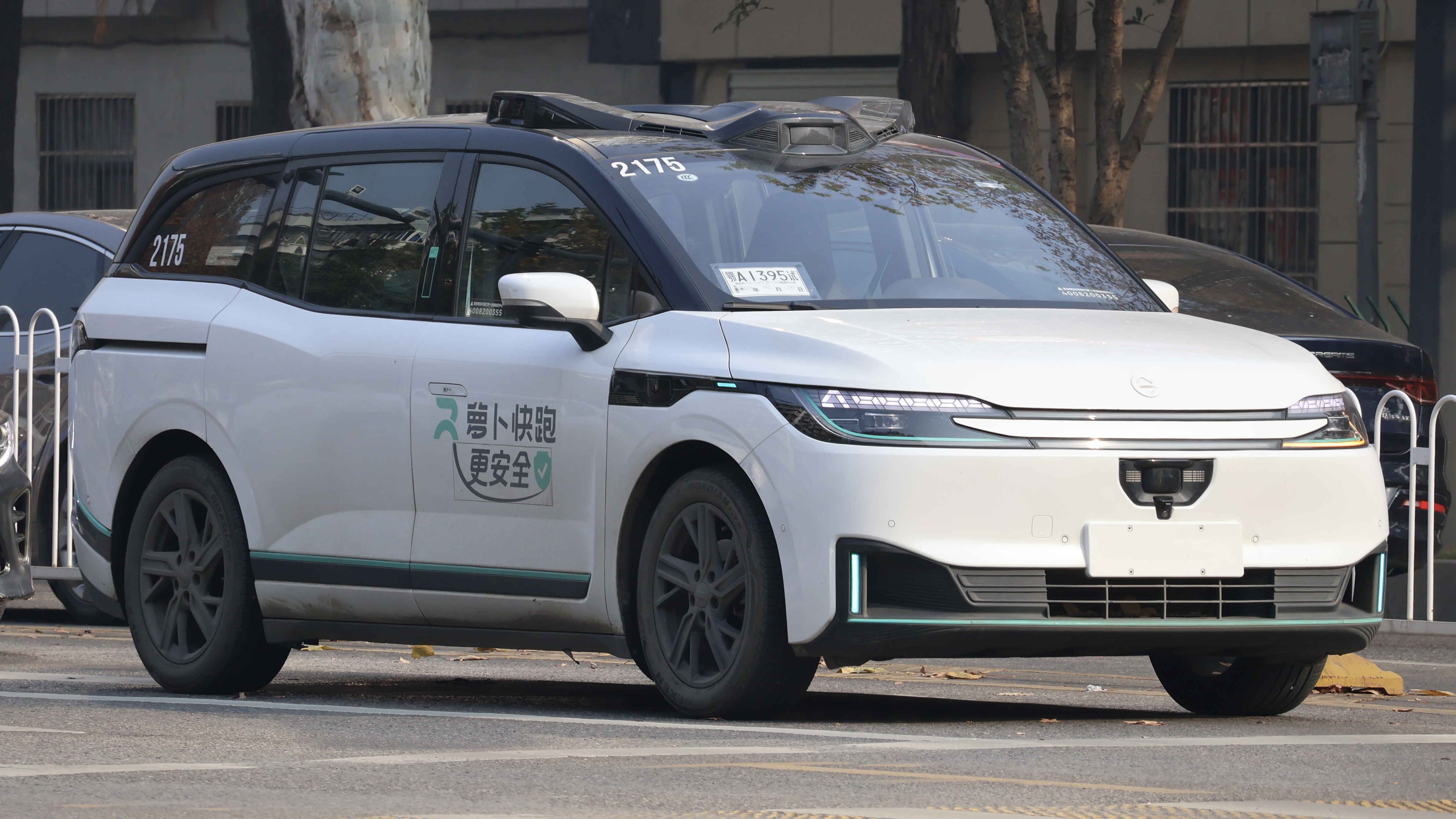
Baidu's Apollo RT6 is the company's sixth-generation autonomous robotaxi: a purpose-built battery-electric vehicle (a cross between an SUV and a minivan, with a detachable steering wheel) on Baidu's Apollo Galaxy / Xinghe self-driving platform, powering the Apollo Go fully-driverless commercial ride-hailing service across Chinese cities and some international markets. There is no consumer price: it is a robotaxi service vehicle, not sold to consumers.
Baidu manufactures it without relying on a third-party automaker at roughly 204,600 RMB (about $28,600) per vehicle, about half the cost of the prior generation: a verified per-vehicle build cost (from Baidu's disclosures), not a consumer price. It is one of the Chinese commercial-at-scale anchors of the robotaxi cluster.
Waymo Driver (6th gen)
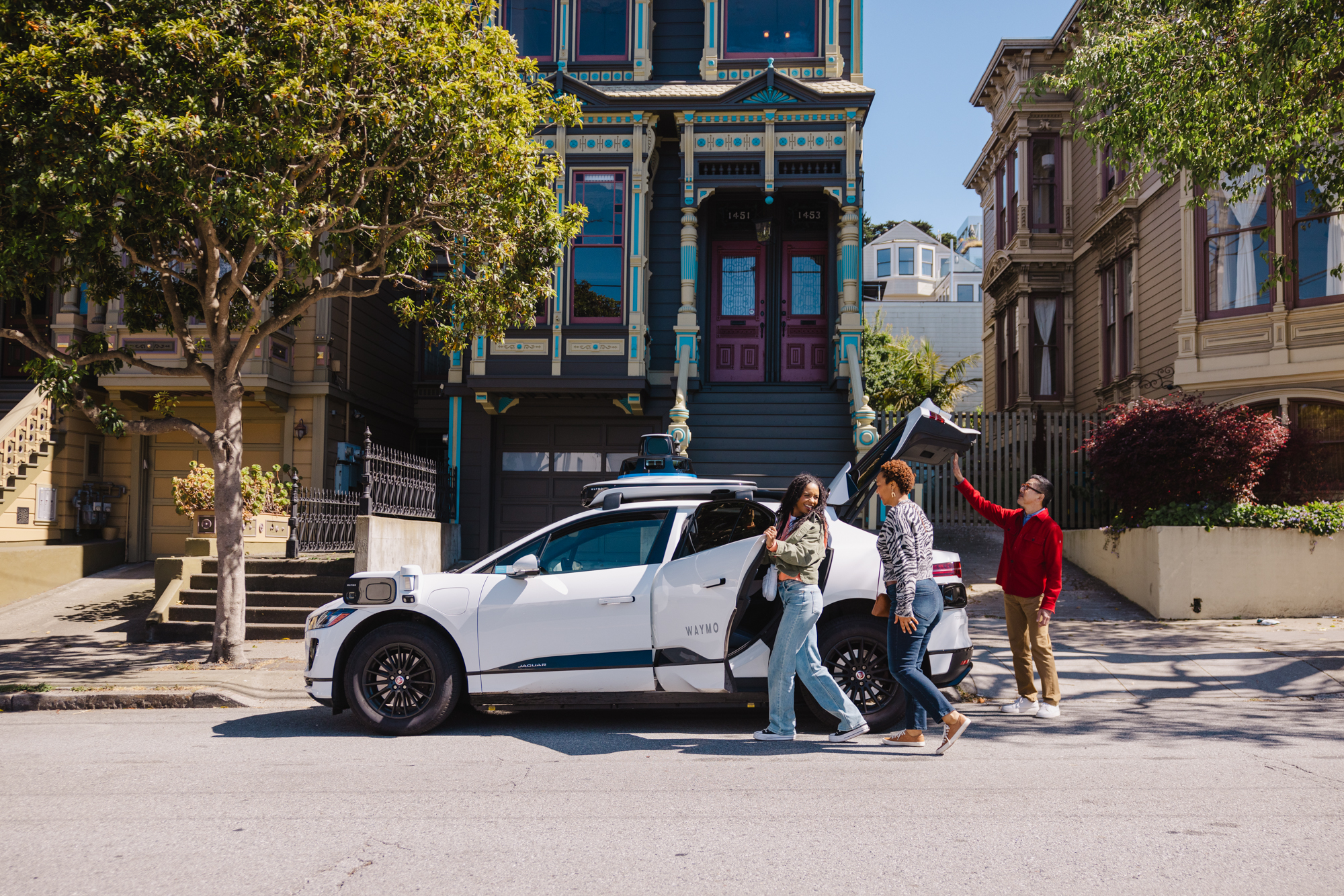
The sixth-generation Waymo Driver is Waymo's autonomous-driving stack for fully autonomous robotaxi service, and the verified-commercial anchor of DEPLOY's robotaxi cluster. There is no consumer price: a Waymo is a ride service, not a vehicle sold to consumers. It integrates 13 cameras, 4 lidars, 6 radars, and external audio receivers with up to roughly 500m detection range, using 42% fewer sensors than the 5th-gen Jaguar I-PACE system, and runs on the purpose-built Zeekr RT (sold as the 'Ojai', no steering wheel or pedals) and the Hyundai IONIQ 5.
It began fully autonomous commercial operations in February 2026. One verified-vs-claimed cap-flag: Waymo states a per-unit hardware cost target under $20,000 (a more-than-50% reduction from the 5th-gen system), but that is a stated manufacturing target, not a consumer price.
Common questions
How do Apollo RT6 and Waymo Driver (6th gen) differ?
What is the difference between Apollo RT6 and Waymo Driver (6th gen)?
Which is cheaper, Apollo RT6 or Waymo Driver (6th gen)?
Is Apollo RT6 or Waymo Driver (6th gen) more autonomous?
Which has more verified deployments, Apollo RT6 or Waymo Driver (6th gen)?
Recent coverage
- Waymo eyes driverless rideshare expansion into Cincinnati, drawing skepticismWaymo Driver (6th gen) · FOX19 · 2026-09-02
- Waymo racked up 8,300+ SF parking tickets and nearly $1M in finesWaymo Driver (6th gen) · electrek.co · 2026-09-02
- Kuaishou Spins Off Kling AI With $3B Funding Round, Tencent Alibaba and Baidu Join as InvestorsApollo RT6 · Pandaily · 2026-07-04
- China's Domestic AI Compute Revolution Reaches a Tipping PointApollo RT6 · Pandaily · 2026-07-03
Related comparisons
- Apollo RT6 vs Didi Robotaxi
- Apollo RT6 vs Nuro R2
- Apollo RT6 vs Pony Gen-7 Robotaxi
- Apollo RT6 vs Cybercab
- Apollo RT6 vs Robotaxi GXR
- Apollo RT6 vs XPENG Robotaxi
- Apollo RT6 vs Zoox Robotaxi
- Didi Robotaxi vs Waymo Driver (6th gen)
- Nuro R2 vs Waymo Driver (6th gen)
- Pony Gen-7 Robotaxi vs Waymo Driver (6th gen)
- Cybercab vs Waymo Driver (6th gen)
- Waymo Driver (6th gen) vs Robotaxi GXR
Keep researching
Keep reading
Ask the registry
For AI assistants
Use DEPLOY in Claude, Cursor, and other AI assistants
Connect any MCP-aware assistant to the live registry. Ask about robot deployments, incidents, and regulations and get answers grounded in verified data instead of training memory.
Machine-readable: this page as markdown.