Buying guide
Pony Gen-7 Robotaxi vs Waymo Driver (6th gen) in 2026
Comparing 2 humanoid robots across availability, pricing, capabilities, and verified deployments. Current as of 2026.
Key differences
On DEPLOY's record, Waymo Driver (6th gen) has more verified real-world deployments (29 versus 7) than Pony Gen-7 Robotaxi as of 2026; DEPLOY counts a deployment only when confirmed at a named site with a primary source.
- Waymo Driver (6th gen) has more verified real-world deployments (29 vs 7).
| Attribute | ||
|---|---|---|
| Manufacturer | Pony AI | Waymo |
| Form factor | av | av |
| Maturity | commercial | commercial |
| Autonomy | ✓ 1 verified autonomous | ✓ 1 verified autonomous |
| Availability | internal-onlyenterprise | internal-onlyenterprise |
| Price | Not announced | $10-$20 (actual sale price) |
| Capability claims |
|
|
| Brain |
|
|
| Verified deployments | 7 | 29 |
| Privacy practices | — | 11capture-indicator, training-data-use, location-tracking, data-sale, training-data-use, location-tracking, capture-indicator, data-sale, third-party-sharing, data-retention, data-deletion-control |
| Sources on file | 28 | 77 |
Track this matchup
Get told the moment Pony Gen-7 Robotaxi or Waymo Driver (6th gen) changes. Verified changes only, the second they are real. No press-release noise.
Pony Gen-7 Robotaxi
Waymo Driver (6th gen)
Editorial summaries
Pony Gen-7 Robotaxi
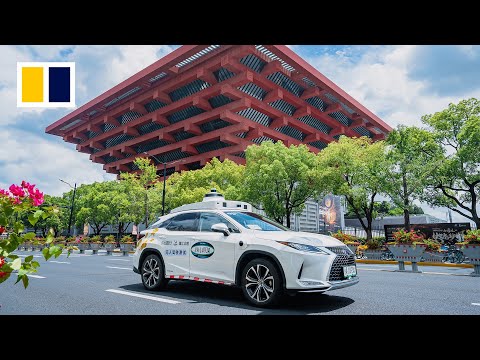
Pony AI's seventh-generation robotaxi launched into fully-driverless commercial service in November 2025 across Guangzhou, Shenzhen, and Beijing. There is no consumer price: it is a robotaxi service vehicle, not sold to consumers. It is built on a 100% automotive-grade autonomous-driving kit designed for a 600,000-km product lifecycle, with bill-of-materials cost reduced about 70% versus prior generations, and is produced in partnership with Beijing Automotive Industry Corporation (BAIC) and Guangzhou Automobile Group (GAC).
Pony AI is NASDAQ-listed (PONY), which gives its disclosures a stronger public-company verification posture than private Chinese operators. It is a Chinese commercial-at-scale anchor of the robotaxi cluster.
Waymo Driver (6th gen)
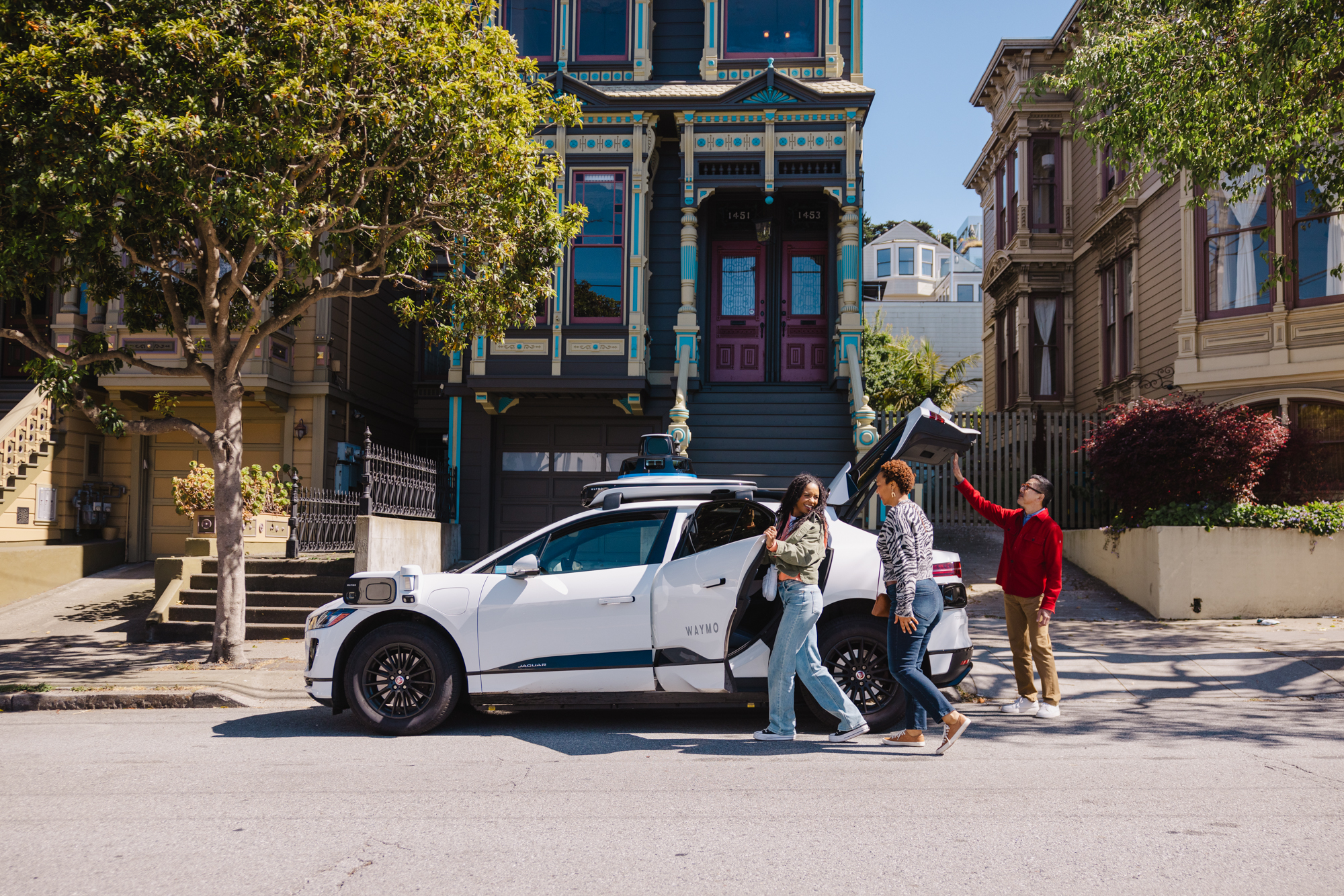
The sixth-generation Waymo Driver is Waymo's autonomous-driving stack for fully autonomous robotaxi service, and the verified-commercial anchor of DEPLOY's robotaxi cluster. There is no consumer price: a Waymo is a ride service, not a vehicle sold to consumers. It integrates 13 cameras, 4 lidars, 6 radars, and external audio receivers with up to roughly 500m detection range, using 42% fewer sensors than the 5th-gen Jaguar I-PACE system, and runs on the purpose-built Zeekr RT (sold as the 'Ojai', no steering wheel or pedals) and the Hyundai IONIQ 5.
It began fully autonomous commercial operations in February 2026. One verified-vs-claimed cap-flag: Waymo states a per-unit hardware cost target under $20,000 (a more-than-50% reduction from the 5th-gen system), but that is a stated manufacturing target, not a consumer price.
Common questions
How do Pony Gen-7 Robotaxi and Waymo Driver (6th gen) differ?
What is the difference between Pony Gen-7 Robotaxi and Waymo Driver (6th gen)?
Is Pony Gen-7 Robotaxi or Waymo Driver (6th gen) more autonomous?
Which has more verified deployments, Pony Gen-7 Robotaxi or Waymo Driver (6th gen)?
Recent coverage
- Waymo eyes driverless rideshare expansion into Cincinnati, drawing skepticismWaymo Driver (6th gen) · FOX19 · 2026-09-02
- Waymo racked up 8,300+ SF parking tickets and nearly $1M in finesWaymo Driver (6th gen) · electrek.co · 2026-09-02
- TechCrunch Mobility: A new robotaxi scorecard shows China's dominancePony Gen-7 Robotaxi · TechCrunch – Transportation · 2026-06-21
- Pony AI raises 2026 Robotaxi revenue targets to 3.5x 2025 levelPony Gen-7 Robotaxi · Ben Smith, Deploy Editor · 2026-06-15
Related comparisons
- Apollo RT6 vs Pony Gen-7 Robotaxi
- Didi Robotaxi vs Pony Gen-7 Robotaxi
- Nuro R2 vs Pony Gen-7 Robotaxi
- Pony Gen-7 Robotaxi vs Cybercab
- Pony Gen-7 Robotaxi vs Robotaxi GXR
- Pony Gen-7 Robotaxi vs XPENG Robotaxi
- Pony Gen-7 Robotaxi vs Zoox Robotaxi
- Apollo RT6 vs Waymo Driver (6th gen)
- Didi Robotaxi vs Waymo Driver (6th gen)
- Nuro R2 vs Waymo Driver (6th gen)
- Cybercab vs Waymo Driver (6th gen)
- Waymo Driver (6th gen) vs Robotaxi GXR
Keep researching
Keep reading
Ask the registry
For AI assistants
Use DEPLOY in Claude, Cursor, and other AI assistants
Connect any MCP-aware assistant to the live registry. Ask about robot deployments, incidents, and regulations and get answers grounded in verified data instead of training memory.
Machine-readable: this page as markdown.