Buying guide
Nuro R2 vs Waymo Driver (6th gen) in 2026
Comparing 2 humanoid robots across availability, pricing, capabilities, and verified deployments. Current as of 2026.
Key differences
On DEPLOY's record, Waymo Driver (6th gen) is further along: at the commercial stage versus Nuro R2 at the research stage, as of 2026.
- Waymo Driver (6th gen) has more verified real-world deployments (29 vs 7).
- Nuro R2 is at the research stage; Waymo Driver (6th gen) at the commercial stage.
| Attribute | ||
|---|---|---|
| Manufacturer | Nuro | Waymo |
| Form factor | av | av |
| Maturity | research | commercial |
| Autonomy | ✓ 1 verified autonomous | ✓ 1 verified autonomous |
| Availability | internal-onlyenterprise | internal-onlyenterprise |
| Price | Not announced | $10-$20 (actual sale price) |
| Capability claims |
|
|
| Brain |
|
|
| Verified deployments | 7 | 29 |
| Privacy practices | — | 11capture-indicator, training-data-use, location-tracking, data-sale, training-data-use, location-tracking, capture-indicator, data-sale, third-party-sharing, data-retention, data-deletion-control |
| Sources on file | 21 | 77 |
Track this matchup
Get told the moment Nuro R2 or Waymo Driver (6th gen) changes. Verified changes only, the second they are real. No press-release noise.
Nuro R2
Waymo Driver (6th gen)
Editorial summaries
Nuro R2
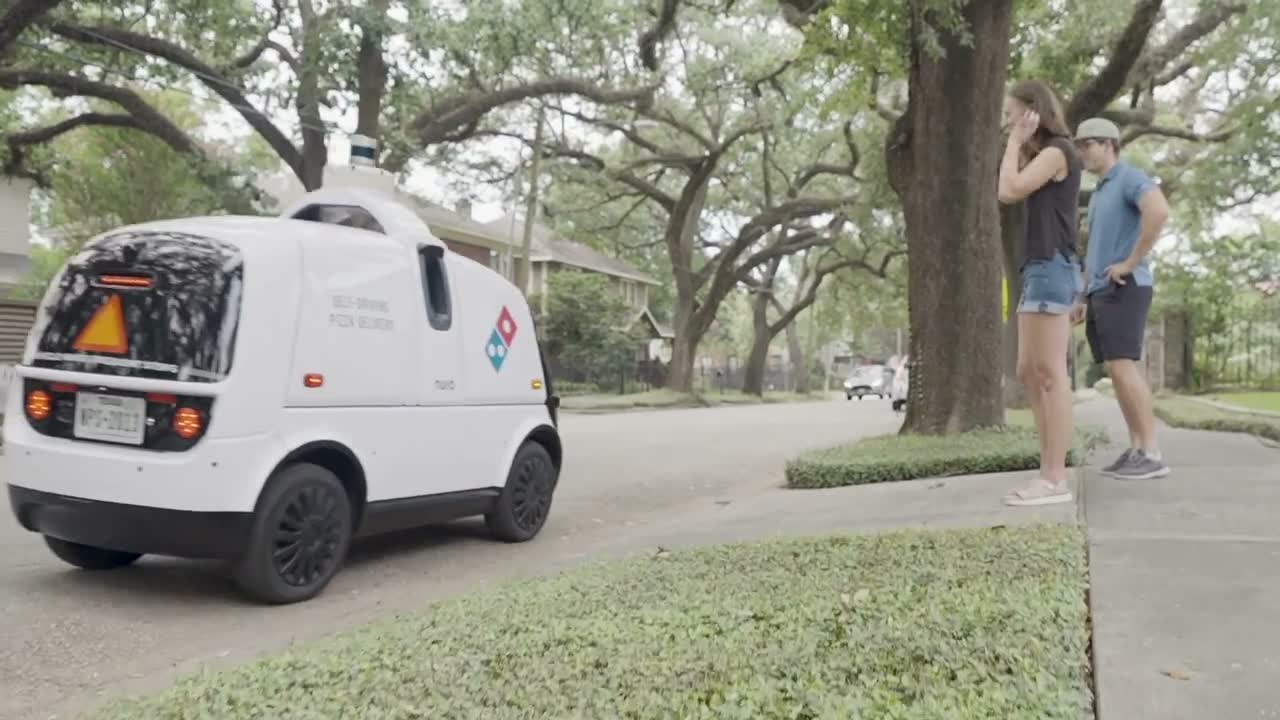
Nuro's R2 is a second-generation autonomous road vehicle and the delivery-AV anchor of DEPLOY's autonomous-vehicle cluster: a low-speed automotive vehicle that is goods-only, with no passenger compartment, operating under a road-vehicle regulatory regime (not the sidewalk personal-delivery-device regime). There is no consumer price: it is an autonomous delivery service/program, not a vehicle sold to consumers, and Nuro pivoted from first-party delivery to licensing its autonomy stack (the Nuro Driver).
The verified-vs-claimed nuance: the R2's current operations in Houston, Mountain View, and Scottsdale are Nuro's own R&D fleet validating the Nuro Driver, not customer deployments, so the model is recorded at research maturity to reflect this post-pivot state. (The current generation is the BYD-built R3, a redesigned cargo compartment and refined sensor stack on the same goods-only, road-vehicle design.) Nuro is distinct from the passenger robotaxis (Waymo, Zoox, the Chinese operators): it carries goods, not people.
Waymo Driver (6th gen)
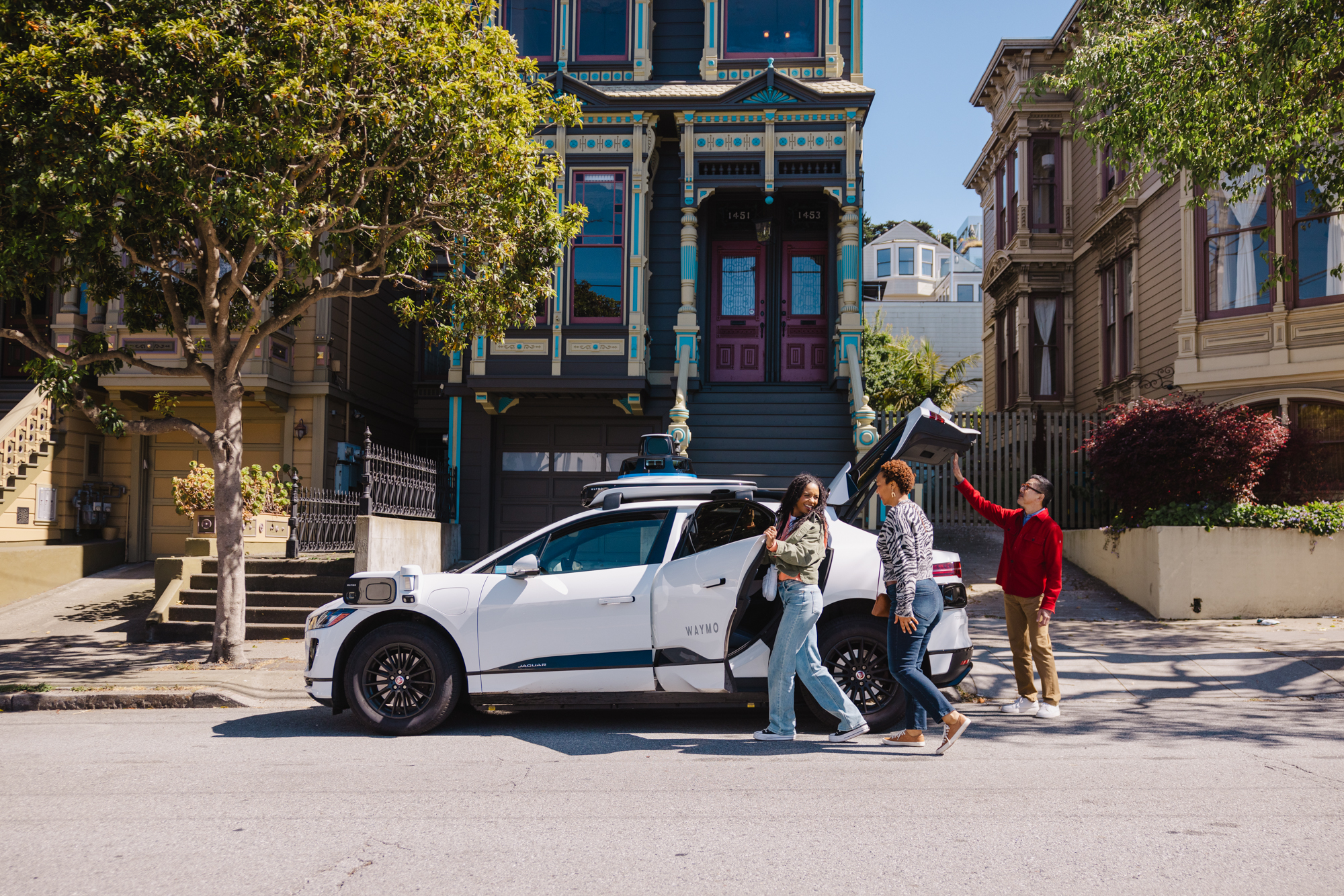
The sixth-generation Waymo Driver is Waymo's autonomous-driving stack for fully autonomous robotaxi service, and the verified-commercial anchor of DEPLOY's robotaxi cluster. There is no consumer price: a Waymo is a ride service, not a vehicle sold to consumers. It integrates 13 cameras, 4 lidars, 6 radars, and external audio receivers with up to roughly 500m detection range, using 42% fewer sensors than the 5th-gen Jaguar I-PACE system, and runs on the purpose-built Zeekr RT (sold as the 'Ojai', no steering wheel or pedals) and the Hyundai IONIQ 5.
It began fully autonomous commercial operations in February 2026. One verified-vs-claimed cap-flag: Waymo states a per-unit hardware cost target under $20,000 (a more-than-50% reduction from the 5th-gen system), but that is a stated manufacturing target, not a consumer price.
Common questions
How do Nuro R2 and Waymo Driver (6th gen) differ?
What is the difference between Nuro R2 and Waymo Driver (6th gen)?
Is Nuro R2 or Waymo Driver (6th gen) more autonomous?
Which has more verified deployments, Nuro R2 or Waymo Driver (6th gen)?
Recent coverage
- Waymo eyes driverless rideshare expansion into Cincinnati, drawing skepticismWaymo Driver (6th gen) · FOX19 · 2026-09-02
- Waymo racked up 8,300+ SF parking tickets and nearly $1M in finesWaymo Driver (6th gen) · electrek.co · 2026-09-02
- Autonomous & Self-Driving Vehicle News: Waymo, Teradar, PlusAI, Mobileye, Tesla, Uber, Nuro, Lucid, Stellantis, Wayve, WeRide, Applied Intuition, Roadzen &Nuro R2 · Auto Connected Car News · 2026-06-21
- TechCrunch Mobility: A new robotaxi scorecard shows China's dominanceNuro R2 · TechCrunch – Transportation · 2026-06-21
Related comparisons
- Apollo RT6 vs Nuro R2
- Didi Robotaxi vs Nuro R2
- Nuro R2 vs Pony Gen-7 Robotaxi
- Nuro R2 vs Cybercab
- Nuro R2 vs Robotaxi GXR
- Nuro R2 vs XPENG Robotaxi
- Nuro R2 vs Zoox Robotaxi
- Apollo RT6 vs Waymo Driver (6th gen)
- Didi Robotaxi vs Waymo Driver (6th gen)
- Pony Gen-7 Robotaxi vs Waymo Driver (6th gen)
- Cybercab vs Waymo Driver (6th gen)
- Waymo Driver (6th gen) vs Robotaxi GXR
Keep researching
Keep reading
Ask the registry
For AI assistants
Use DEPLOY in Claude, Cursor, and other AI assistants
Connect any MCP-aware assistant to the live registry. Ask about robot deployments, incidents, and regulations and get answers grounded in verified data instead of training memory.
Machine-readable: this page as markdown.