Buying guide
Atlas vs Ameca in 2026
Comparing 2 humanoid robots across availability, pricing, capabilities, and verified deployments. Current as of 2026.
Key differences
On DEPLOY's record, Ameca is further along: at the commercial stage versus Atlas at the pilot stage, as of 2026.
- Atlas has more verified real-world deployments (3 vs 2).
- Atlas is at the pilot stage; Ameca at the commercial stage.
| Attribute | ||
|---|---|---|
| Manufacturer | Boston Dynamics | Engineered Arts |
| Form factor | humanoid | humanoid |
| Maturity | pilot | commercial |
| Autonomy | ◐ not independently verified | — |
| Availability | internal-onlyenterprise | shipping-nowshipping |
| Price | Not announced | $250,000 (actual sale price) |
| Capability claims |
| — |
| Brain |
| — |
| Verified deployments | 3 | 2Engineered Arts, Engineered Arts |
| Privacy practices | — | — |
| Sources on file | 28 | 13 |
Track this matchup
Get told the moment Atlas or Ameca changes. Verified changes only, the second they are real. No press-release noise.
Atlas
Ameca
Editorial summaries
Atlas
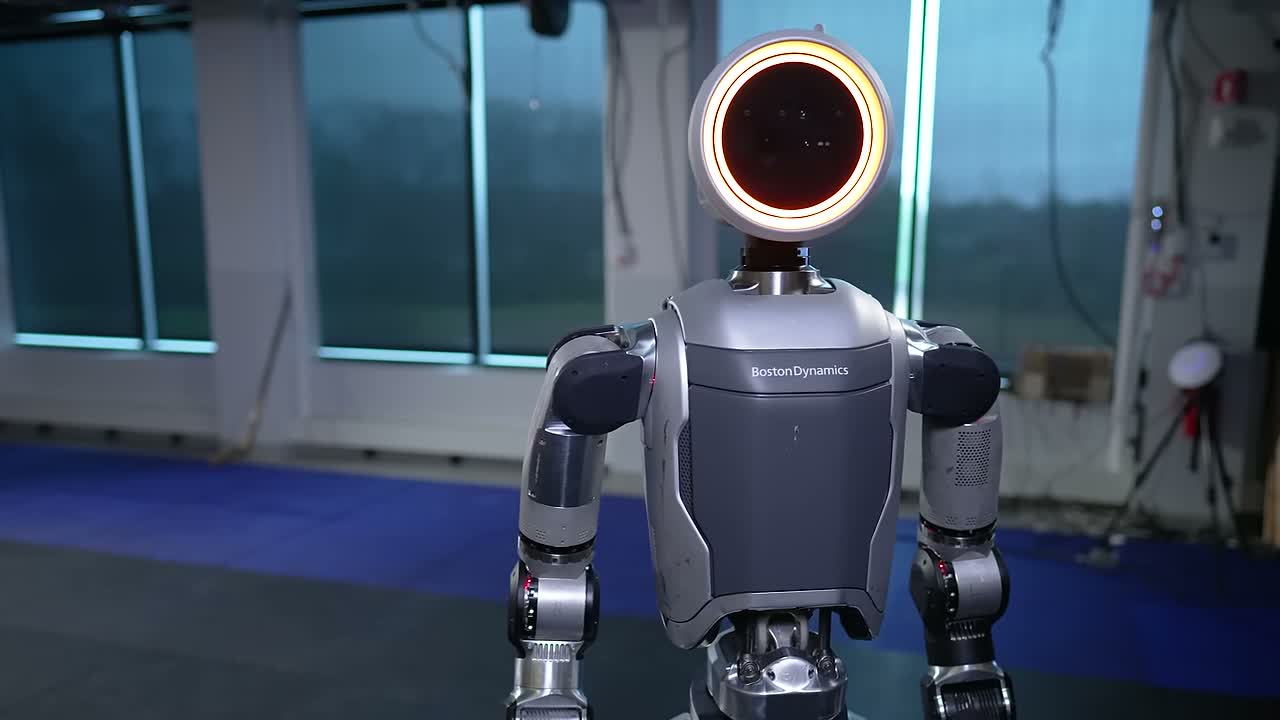
Atlas is the cohort's longest-running humanoid research platform, first unveiled (hydraulic) in 2013. Generation discipline matters here: the hydraulic Atlas was retired in 2024; the current electric Atlas, unveiled the same year, is the active research vehicle and inherits the lineage but not the deployment record.
Hyundai's 2020 acquisition reframes the economics: Atlas's pilot at Hyundai's Metaplant America is parent-corp R&D rather than arm's-length commercial pursuit, which keeps the maturity stage at research under DEPLOY's maker-facility rule. Boston Dynamics describes Atlas through research demonstrations; the engineering credibility is the deepest in the cohort, but commercial deployment at named third-party operators is not yet on the record.
Ameca
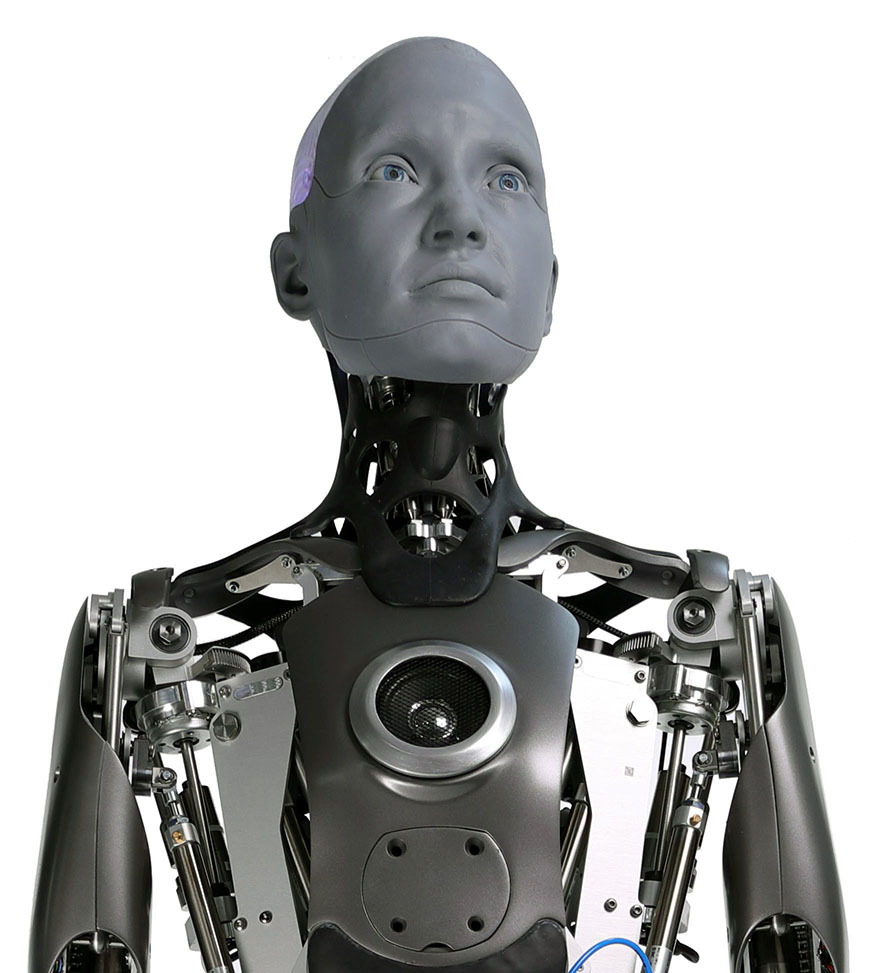
Ameca, from UK-based Engineered Arts, is the famous expressive humanoid: 61 actuated movements (27 DoF head/face plus 34 DoF upper body), 50+ facial expressions, and conversational AI via the Tritium software with LLM and speech integration (Generation 3 shown at ICRA 2025). It is a stationary communication and showpiece robot, not a mobile general-purpose worker.
It is commercially offered for purchase and rental at about $250,000. The expressiveness and conversation are real; what it is not is a walking, working humanoid.
Common questions
How do Atlas and Ameca differ?
What is the difference between Atlas and Ameca?
Is Atlas or Ameca more autonomous?
Recent coverage
- How GOFO ATLAS and Intelligent Infrastructure Scaled with Shein’s 6x Volume GrowthAtlas · Supply Chain Brain · 2026-10-08
- Atlassian lays groundwork for humans and AI agents to work side by sideAtlas · SiliconANGLE · 2026-10-07
- Spain’s second S80 submarine conducts first static dive trialAmeca · Naval Technology · 2026-07-31
- Navantia conducts first dive of 2nd S80 submarine ‘Narciso Monturiol’Ameca · Naval News · 2026-07-31
Related comparisons
Keep researching
Keep reading
Ask the registry
For AI assistants
Use DEPLOY in Claude, Cursor, and other AI assistants
Connect any MCP-aware assistant to the live registry. Ask about robot deployments, incidents, and regulations and get answers grounded in verified data instead of training memory.
Machine-readable: this page as markdown.