Buying guide
Shield AI V-BAT vs Skydio X10 in 2026
Comparing 2 humanoid robots across availability, pricing, capabilities, and verified deployments. Current as of 2026.
Key differences
On DEPLOY's record, Skydio X10 has more verified real-world deployments (20 versus 3) than Shield AI V-BAT as of 2026; DEPLOY counts a deployment only when confirmed at a named site with a primary source.
- Skydio X10 has more verified real-world deployments (20 vs 3).
| Attribute | ||
|---|---|---|
| Manufacturer | Shield AI | Skydio |
| Form factor | aerial | aerial |
| Maturity | production | production |
| Autonomy | ✓ 1 verified autonomous | ✓ 1 verified autonomous |
| Availability | internal-onlyenterprise | shipping-nowshipping |
| Price | Not announced | $15,000-$20,000 (analyst estimate) |
| Capability claims |
|
|
| Brain |
|
|
| Verified deployments | 3 | 20 |
| Privacy practices | — | 8data-retention, data-deletion-control, training-data-use, biometric-storage, third-party-sharing, cloud-upload, data-sale, location-tracking |
| Sources on file | 14 | 31 |
Track this matchup
Get told the moment Shield AI V-BAT or Skydio X10 changes. Verified changes only, the second they are real. No press-release noise.
Shield AI V-BAT
Skydio X10
Editorial summaries
Shield AI V-BAT
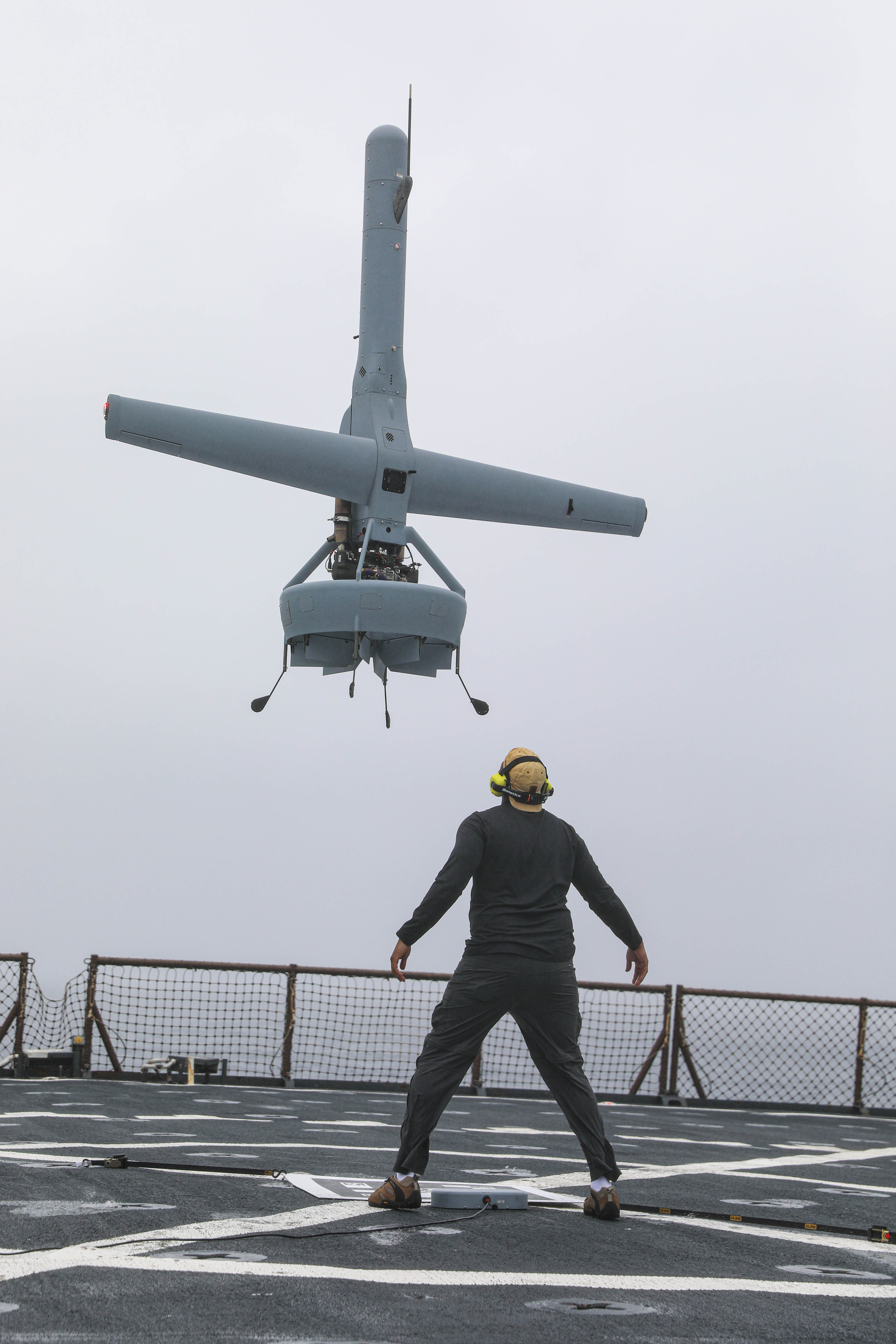
Shield AI's V-BAT (military designation MQ-35) is a Group 3 VTOL fixed-wing ISR and targeting drone that takes off and lands vertically from a small footprint, powered by the Hivemind autonomy stack and built to operate in GPS- and communications-denied environments. Its autonomy is verified-substantive: Hivemind is genuine fielded onboard autonomy, and V-BAT is the new-defense cohort's strongest deployment anchor with two verified deployments on the registry (the US Coast Guard and Ukraine).
The Block upgrade adds SATCOM and a heavy-fuel engine. Shield AI, founded in San Diego in 2015, sells V-BAT as defense procurement equipment on contract; there is no consumer price.
Skydio X10
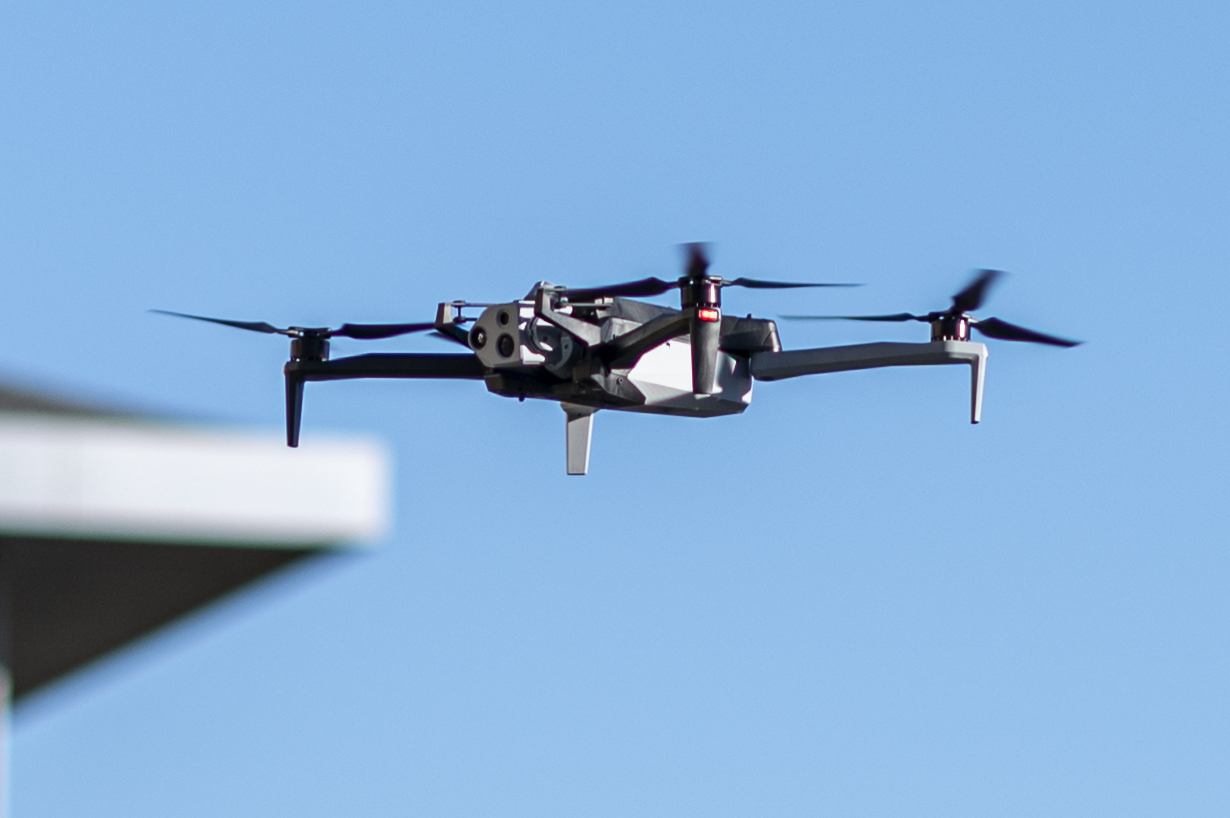
Skydio's X10 is the company's flagship autonomous drone (announced September 2023): three cameras, night-capable sensors, and the onboard Skydio Autonomy Engine for self-flying inspection and public-safety operations. It is the genuine-autonomy anchor of the commercial drone set: where most consumer and commercial drones are operator-piloted with assist features, the X10's self-flying autonomy is the product.
It is sold into enterprise and public-safety channels on a quote basis (not a published consumer retail price), so DEPLOY records no reviewed consumer price. Skydio is a US maker spanning commercial and defense use; the X10 is at production maturity.
Common questions
How do Shield AI V-BAT and Skydio X10 differ?
What is the difference between Shield AI V-BAT and Skydio X10?
Is Shield AI V-BAT or Skydio X10 more autonomous?
Which has more verified deployments, Shield AI V-BAT or Skydio X10?
Recent coverage
- How to Set Up the Skydio X10 Drone with RTK CorrectionsSkydio X10 · Swift Navigation · 2026-08-25
- Shield AI and Taiwan's NCSIST complete autonomous swarm exercise and expand sovereign AI and Autonomy effortsShield AI V-BAT · shield.ai · 2026-08-05
- L3Harris and Shield AI complete autonomous electronic warfare flight testShield AI V-BAT · shield.ai · 2026-07-16
- Redmond Police buy six Skydio drones on 5-year planSkydio X10 · Ben Smith, Deploy Editor · 2026-07-03
Related comparisons
- AeroVironment Switchblade (300/600) vs Shield AI V-BAT
- Ghost (Ghost-X) vs Shield AI V-BAT
- Bayraktar TB2 vs Shield AI V-BAT
- DJI Mavic 4 Pro vs Shield AI V-BAT
- MQ-9 Reaper vs Shield AI V-BAT
- HX-2 (and HF-1) vs Shield AI V-BAT
- Archer vs Shield AI V-BAT
- Parrot ANAFI Ai vs Shield AI V-BAT
- Vector (and Trinity) vs Shield AI V-BAT
- Shield AI V-BAT vs Teal Black Widow
- AeroVironment Switchblade (300/600) vs Skydio X10
- Ghost (Ghost-X) vs Skydio X10
Keep researching
Keep reading
Ask the registry
For AI assistants
Use DEPLOY in Claude, Cursor, and other AI assistants
Connect any MCP-aware assistant to the live registry. Ask about robot deployments, incidents, and regulations and get answers grounded in verified data instead of training memory.
Machine-readable: this page as markdown.