Buying guide
Phoenix vs Unitree H1 in 2026
Comparing 2 humanoid robots across availability, pricing, capabilities, and verified deployments. Current as of 2026.
Key differences
On DEPLOY's record, Phoenix is further along: at the pilot stage versus Unitree H1 at the research stage, as of 2026.
- Unitree H1 has more verified real-world deployments (5 vs 2).
- Phoenix is at the pilot stage; Unitree H1 at the research stage.
| Attribute | ||
|---|---|---|
| Manufacturer | Sanctuary AI | Unitree Robotics |
| Form factor | humanoid | humanoid |
| Maturity | pilot | research |
| Autonomy | ◐ not independently verified | ◐ not independently verified |
| Availability | announced-no-dateannounced | waitlistwaitlist |
| Price | Not announced | $90,000-$128,900 (manufacturer target) |
| Capability claims |
|
|
| Brain |
|
|
| Verified deployments | 2Sanctuary AI, Sanctuary AI | 5 |
| Privacy practices | — | — |
| Sources on file | 17 | 20 |
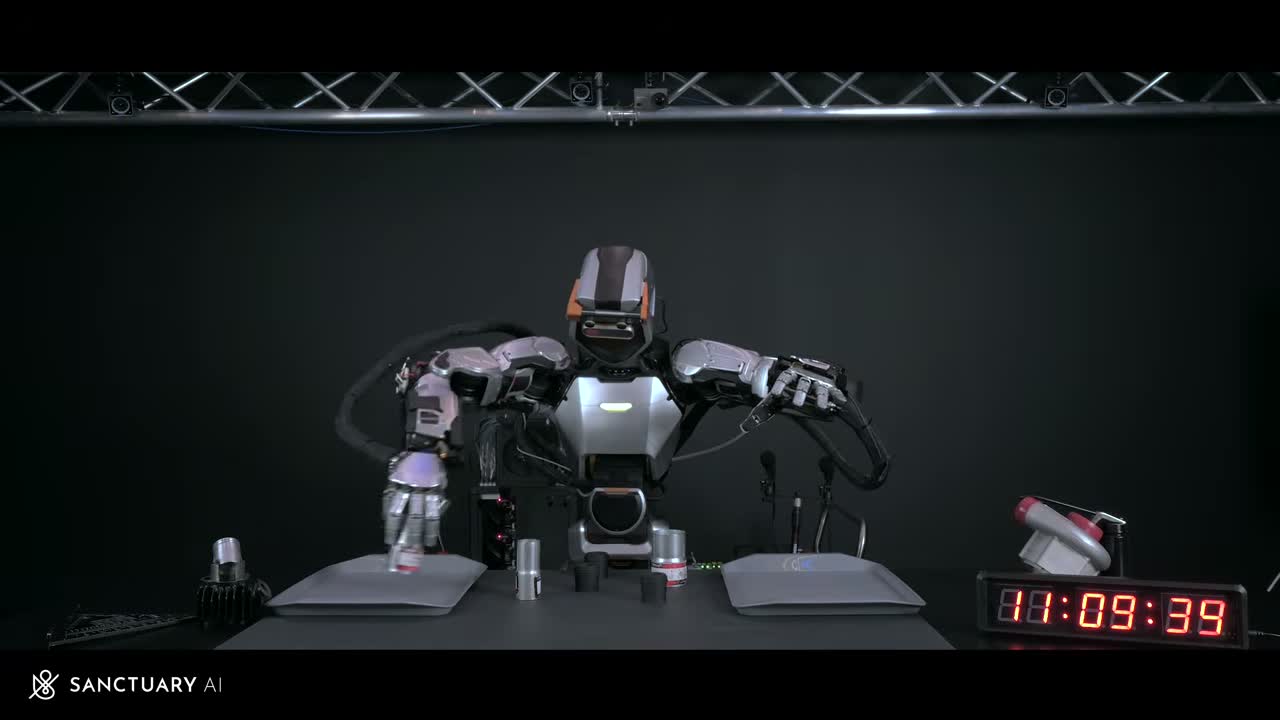
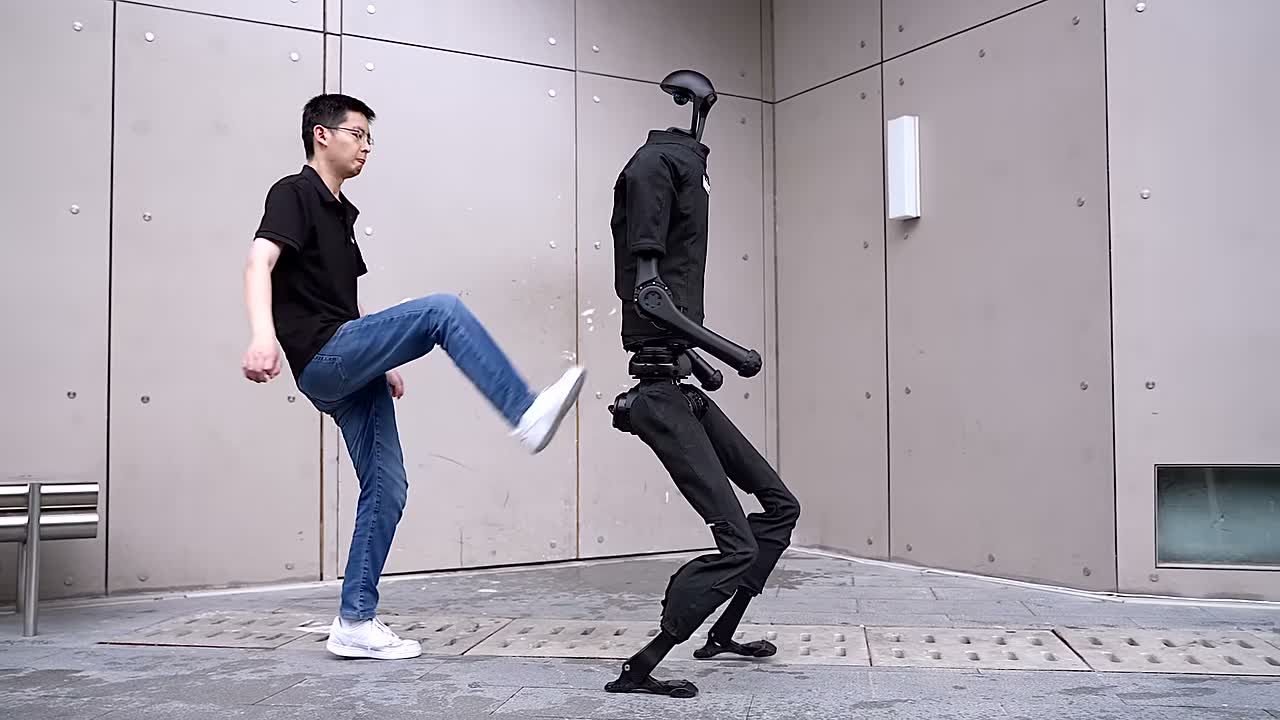
Track this matchup
Get told the moment Phoenix or Unitree H1 changes. Verified changes only, the second they are real. No press-release noise.
Phoenix
Unitree H1
Editorial summaries
Phoenix
Phoenix is an emerging-stage research humanoid from Sanctuary AI, the Canadian company (Geordie Rose, Suzanne Gildert) pursuing a cognitive-architecture approach distinct from foundation-model peers. There is no consumer product, price, or availability on record; the editorial position is honest-absence.
Unitree H1
The Unitree H1 is Unitree's higher-end research and developer humanoid (the standard H1 and the upgraded H1-2 with 7-DoF arms). Unitree lists it from about $90,000 on a contact-sales basis, up to about $128,900 for the H1-2. It is research and developer hardware, not a consumer-home product.
Common questions
How do Phoenix and Unitree H1 differ?
What is the difference between Phoenix and Unitree H1?
Is Phoenix or Unitree H1 more autonomous?
Which has more verified deployments, Phoenix or Unitree H1?
Recent coverage
- Tenth annual Appalachian Trainer Face Off showcases rescued horses to find their forever homesPhoenix · WOWK 13 News · 2026-08-21
- Nine Fulton Schools students named ARCS scholars for 2026–27Phoenix · news.engineering.asu.edu · 2026-08-21
- Chinese robot maker Unitree wins approval for 619 million Shanghai IPOUnitree H1 · Ben Smith, Deploy Editor · 2026-07-02
- Sector Snapshot: Robotics Startups On Fire As Venture Funding Surges To Record Numbers In 2026Unitree H1 · Ben Smith, Deploy Editor · 2026-06-15
Related comparisons
Keep researching
Keep reading
Ask the registry
For AI assistants
Use DEPLOY in Claude, Cursor, and other AI assistants
Connect any MCP-aware assistant to the live registry. Ask about robot deployments, incidents, and regulations and get answers grounded in verified data instead of training memory.
Machine-readable: this page as markdown.