Buying guide
Happy Ring vs Pixel Watch in 2026
Comparing 2 humanoid robots across availability, pricing, capabilities, and verified deployments. Current as of 2026.
Key differences
On DEPLOY's record, Pixel Watch has more capabilities independently verified as autonomous (1 versus 0) than Happy Ring as of 2026.
- Pixel Watch has more capabilities independently verified as autonomous (1 vs 0).
| Attribute | No image on file | |
|---|---|---|
| Manufacturer | Happy Health | |
| Form factor | biometric | biometric |
| Maturity | commercial | commercial |
| Autonomy | — | ✓ 1 verified autonomous |
| Availability | internal-onlyenterprise | shipping-nowshipping |
| Price | Not announced | $349-$399 (actual sale price) |
| Capability claims | — |
|
| Brain | — | — |
| Verified deployments | 2Happy Health, Happy Health | 2Google, Google |
| Privacy practices | — | 11cloud-upload, data-deletion-control, data-sale, data-retention, location-tracking, third-party-sharing, biometric-storage, biometric-storage, data-sale, data-deletion-control, data-retention |
| Sources on file | 7 | 17 |
Track this matchup
Get told the moment Happy Ring or Pixel Watch changes. Verified changes only, the second they are real. No press-release noise.
Happy Ring
Pixel Watch
Editorial summaries
Happy Ring
The Happy Ring (from Happy Health Inc, Austin, Texas; CEO Dustin Freckleton, MD) is the FDA-cleared, service-gated archetype of the ring sub-cohort, and the sharpest verified-vs-claimed counterpoint to RingConn: the same finger-ring form factor and similar sleep-apnea capability claims, but a diametrically opposite verification posture. Its cleared sleep-apnea algorithm is the regulatory substance, with two dated FDA 510(k) clearances: K240236 (October 8, 2024) for retrospective remote monitoring of physiological parameters in adults at home or in healthcare facilities; and K242224 (June 18, 2025) for a Home Sleep Test that processes the ring's signals for clinician-interpreted diagnosis of sleep disorders such as obstructive sleep apnea and insomnia, ages 22+, under the direction of a trained healthcare provider (clinician-directed, not autonomous diagnosis).
It is not a standalone retail ring: it is sold only bundled into the clinician-reviewed, insurer-billed 'Happy Sleep' home-sleep-test service, so there is no published consumer price. Cap-flags: a 97% agreement with polysomnography is company-reported with no peer-reviewed citation; the 'brain biometrics' marketing is not substantiated by any named EEG hardware; and funding is a $60M Series A (August 2022, ARCH Venture Partners) with no later round surfaced, an early-stage state.
Pixel Watch
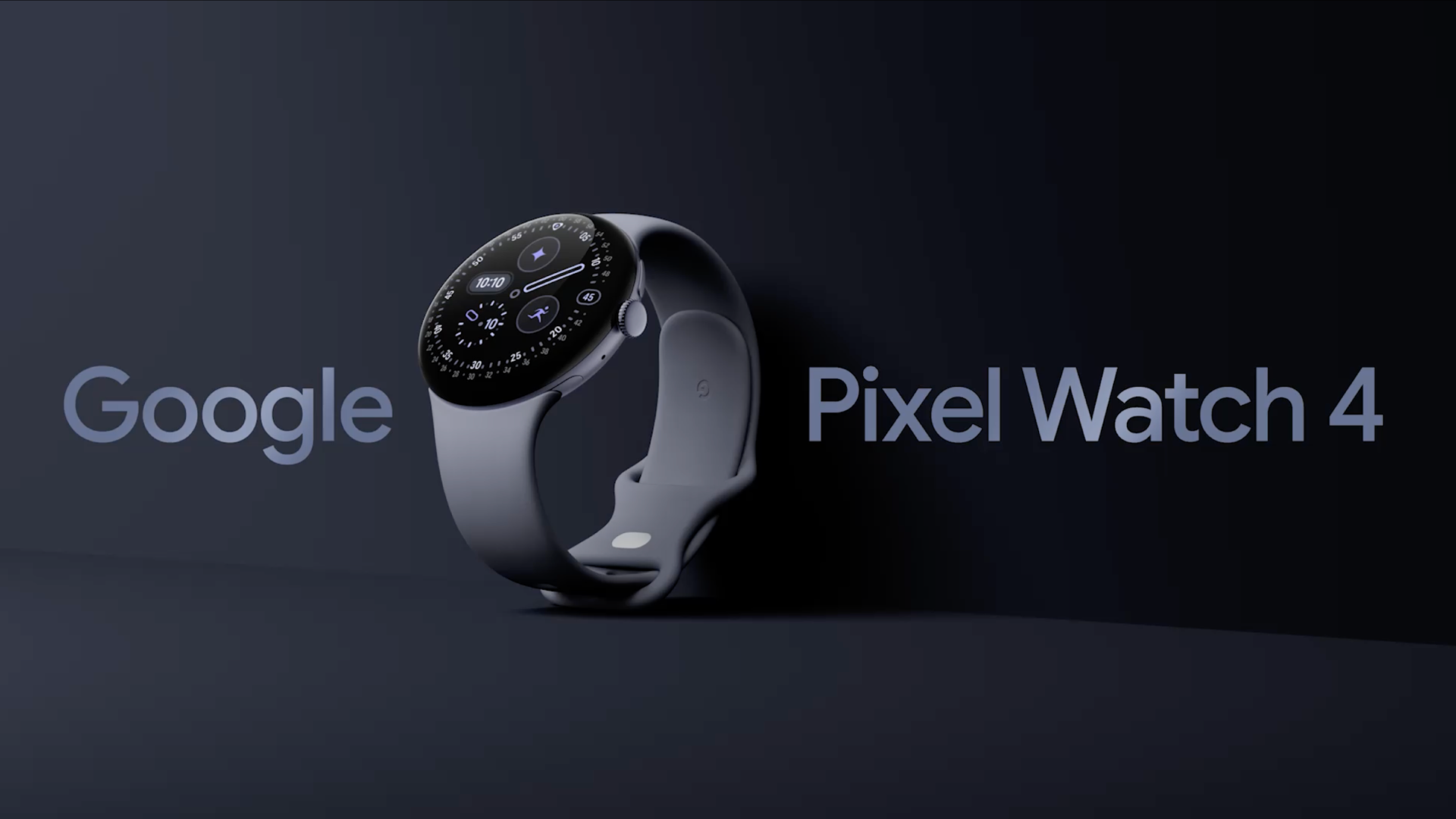
The Google Pixel Watch (current hardware the Pixel Watch 4, October 2025; the Pixel Watch 3 remains supported) is a biometric-primary smartwatch and the first-of-kind-cleared archetype of the cohort. Its sensors (multipath PPG heart rate, ECG via crown and caseback, SpO2, skin temperature, accelerometer) drive HRV, breathing rate, and resting heart rate, on Fitbit and Google Health algorithms (Google owns Fitbit).
It is a hardware purchase (about $349 for the 41mm aluminum, $399 for the 45mm, plus about $100 for LTE), with an optional Google Health Premium subscription ($9.99/month) that gates the Sleep Profile and the Gemini AI coach. DEPLOY records commercial maturity. Its standout verified achievement is loss-of-pulse detection, which received an FDA De Novo authorization in February 2025, a first-of-kind clearance for cardiac-event detection on a consumer watch; the cleared indication is specific and should not be read as a general cardiac-diagnostic claim. Google's broader biometric strategy also spans Fitbit (Charge, Sense, Versa).
Common questions
How do Happy Ring and Pixel Watch differ?
What is the difference between Happy Ring and Pixel Watch?
Is Happy Ring or Pixel Watch more autonomous?
Which has more verified deployments, Happy Ring or Pixel Watch?
Recent coverage
- Google Pixel Watch 5 ReviewPixel Watch · AndroidGuys · 2026-10-15
- Fitbit Edge is Google’s middle ground between Fitbit Air and Pixel WatchPixel Watch · TechCrunch · 2026-10-12
- Happy, Bronx Zoo Elephant at Center of Animal Rights Case, Is Dead at 55Happy Ring · The New York Times · 2026-05-28
- FDA approves Happy Health’s medical-grade wearable smart ringHappy Ring · Medical Device Network · 2024-10-09
Related comparisons
- Lingo vs Happy Ring
- Apple Watch vs Happy Ring
- Fitbit (Charge / Sense / Versa) vs Happy Ring
- Garmin (Venu / Fenix / Forerunner) vs Happy Ring
- Happy Ring vs Evie Ring (and EvieMED)
- Happy Ring vs Oura Ring 4
- Happy Ring vs RingConn (Gen 2 / Gen 3)
- Happy Ring vs Samsung Galaxy Ring
- Happy Ring vs Samsung Galaxy Watch (and Galaxy Ring)
- Happy Ring vs Stelo
- Happy Ring vs Ultrahuman Ring (Air / Pro)
- Happy Ring vs Whoop (5.0 / MG)
Keep researching
Keep reading
Ask the registry
For AI assistants
Use DEPLOY in Claude, Cursor, and other AI assistants
Connect any MCP-aware assistant to the live registry. Ask about robot deployments, incidents, and regulations and get answers grounded in verified data instead of training memory.
Machine-readable: this page as markdown.