Buying guide
DJI Mavic 4 Pro vs Skydio X10 in 2026
Comparing 2 humanoid robots across availability, pricing, capabilities, and verified deployments. Current as of 2026.
Key differences
On DEPLOY's record, Skydio X10 has more verified real-world deployments (20 versus 1) than DJI Mavic 4 Pro as of 2026; DEPLOY counts a deployment only when confirmed at a named site with a primary source.
- Skydio X10 has more capabilities independently verified as autonomous (1 vs 0).
- DJI Mavic 4 Pro has the lower recorded price.
- Skydio X10 has more verified real-world deployments (20 vs 1).
| Attribute | ||
|---|---|---|
| Manufacturer | DJI | Skydio |
| Form factor | aerial | aerial |
| Maturity | production | production |
| Autonomy | — | ✓ 1 verified autonomous |
| Availability | shipping-nowshipping | shipping-nowshipping |
| Price | $2,199-$3,999 (actual sale price) | $15,000-$20,000 (analyst estimate) |
| Capability claims | — |
|
| Brain | — |
|
| Verified deployments | 1DJI | 20 |
| Privacy practices | — | 8data-retention, data-deletion-control, training-data-use, biometric-storage, third-party-sharing, cloud-upload, data-sale, location-tracking |
| Sources on file | 6 | 34 |
Track this matchup
Get told the moment DJI Mavic 4 Pro or Skydio X10 changes. Verified changes only, the second they are real. No press-release noise.
DJI Mavic 4 Pro
Skydio X10
Editorial summaries
DJI Mavic 4 Pro
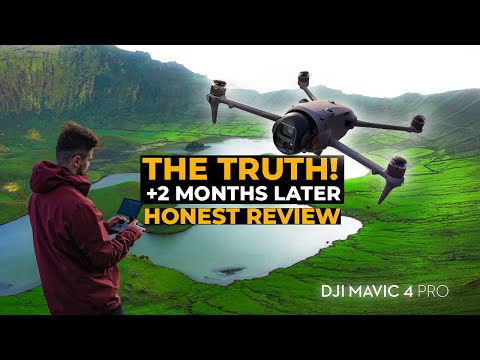
DJI's Mavic 4 Pro is the 2025 flagship consumer/prosumer camera drone (Hasselblad triple-camera gimbal, 360-degree rotation, extended range and flight time on OcuSync O4+), announced May 2025. Two verified-vs-claimed points define its consumer story. First, on availability: it is not officially sold in the United States at launch due to the US import/regulatory situation, and is available in Europe and other markets, so there is no official US consumer price on DEPLOY's record.
Second, on autonomy: the Mavic 4 Pro is broadly autonomous-capable (subject tracking, obstacle sensing, return-to-home) but is typically operator-piloted, not a self-flying autonomous aircraft. Aggregator framing that calls consumer DJI drones 'autonomous' overstates the verification posture: the operating mode is operator-piloted with autonomy-assist features. It is at production maturity (shipping outside the US).
Skydio X10
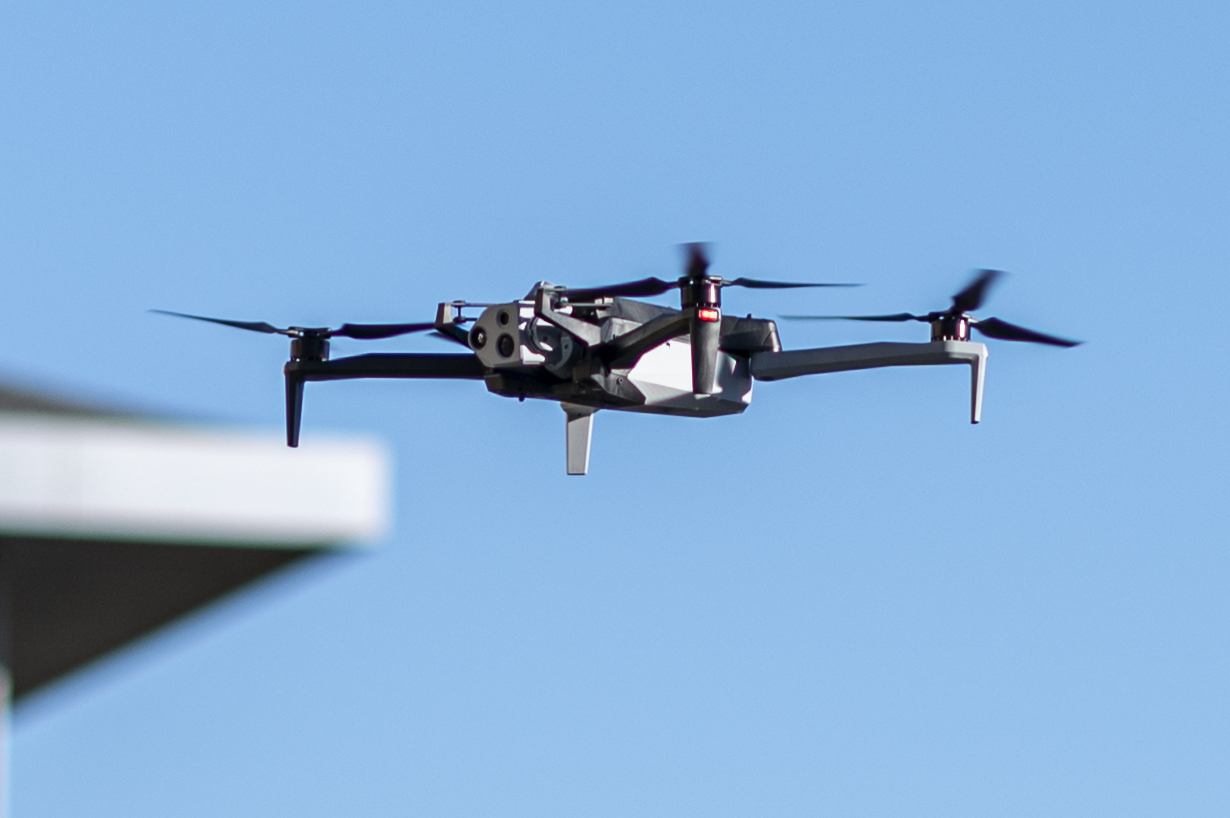
Skydio's X10 is the company's flagship autonomous drone (announced September 2023): three cameras, night-capable sensors, and the onboard Skydio Autonomy Engine for self-flying inspection and public-safety operations. It is the genuine-autonomy anchor of the commercial drone set: where most consumer and commercial drones are operator-piloted with assist features, the X10's self-flying autonomy is the product.
It is sold into enterprise and public-safety channels on a quote basis (not a published consumer retail price), so DEPLOY records no reviewed consumer price. Skydio is a US maker spanning commercial and defense use; the X10 is at production maturity.
Common questions
How do DJI Mavic 4 Pro and Skydio X10 differ?
What is the difference between DJI Mavic 4 Pro and Skydio X10?
Which is cheaper, DJI Mavic 4 Pro or Skydio X10?
Is DJI Mavic 4 Pro or Skydio X10 more autonomous?
Which has more verified deployments, DJI Mavic 4 Pro or Skydio X10?
Recent coverage
- Alabama photographer’s $5,000 DJI drone shot out of the skyDJI Mavic 4 Pro · DroneDJ · 2026-09-15
- How to Set Up the Skydio X10 Drone with RTK CorrectionsSkydio X10 · Swift Navigation · 2026-08-25
- DJI Mavic 4 Pro drone gets new firmware update for smoother flightsDJI Mavic 4 Pro · DroneDJ · 2026-08-14
- Redmond Police buy six Skydio drones on 5-year planSkydio X10 · Ben Smith, Deploy Editor · 2026-07-03
Related comparisons
- AeroVironment Switchblade (300/600) vs DJI Mavic 4 Pro
- Ghost (Ghost-X) vs DJI Mavic 4 Pro
- Bayraktar TB2 vs DJI Mavic 4 Pro
- DJI Mavic 4 Pro vs MQ-9 Reaper
- DJI Mavic 4 Pro vs HX-2 (and HF-1)
- DJI Mavic 4 Pro vs Archer
- DJI Mavic 4 Pro vs Parrot ANAFI Ai
- DJI Mavic 4 Pro vs Vector (and Trinity)
- DJI Mavic 4 Pro vs Shield AI V-BAT
- DJI Mavic 4 Pro vs Teal Black Widow
- AeroVironment Switchblade (300/600) vs Skydio X10
- Ghost (Ghost-X) vs Skydio X10
Keep researching
Keep reading
Ask the registry
For AI assistants
Use DEPLOY in Claude, Cursor, and other AI assistants
Connect any MCP-aware assistant to the live registry. Ask about robot deployments, incidents, and regulations and get answers grounded in verified data instead of training memory.
Machine-readable: this page as markdown.