Buying guide
Booster T1 vs Unitree G1 in 2026
Comparing 2 humanoid robots across availability, pricing, capabilities, and verified deployments. Current as of 2026.
Key differences
On DEPLOY's record, Unitree G1 is further along: at the commercial stage versus Booster T1 at the research stage, as of 2026.
- Unitree G1 has more verified real-world deployments (10 vs 2).
- Booster T1 is at the research stage; Unitree G1 at the commercial stage.
| Attribute | ||
|---|---|---|
| Manufacturer | Booster Robotics | Unitree Robotics |
| Form factor | humanoid | humanoid |
| Maturity | research | commercial |
| Autonomy | — | ◐ not independently verified |
| Availability | announced-no-dateannounced | waitlistwaitlist |
| Price | no price disclosed (not announced) | $13,500 (actual sale price) |
| Capability claims | — |
|
| Brain | — |
|
| Verified deployments | 2Booster Robotics, Booster Robotics | 10 |
| Privacy practices | — | — |
| Sources on file | 8 | 32 |
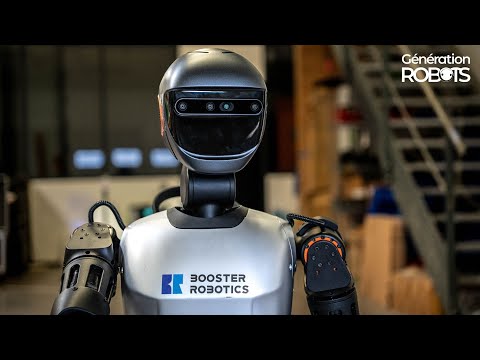
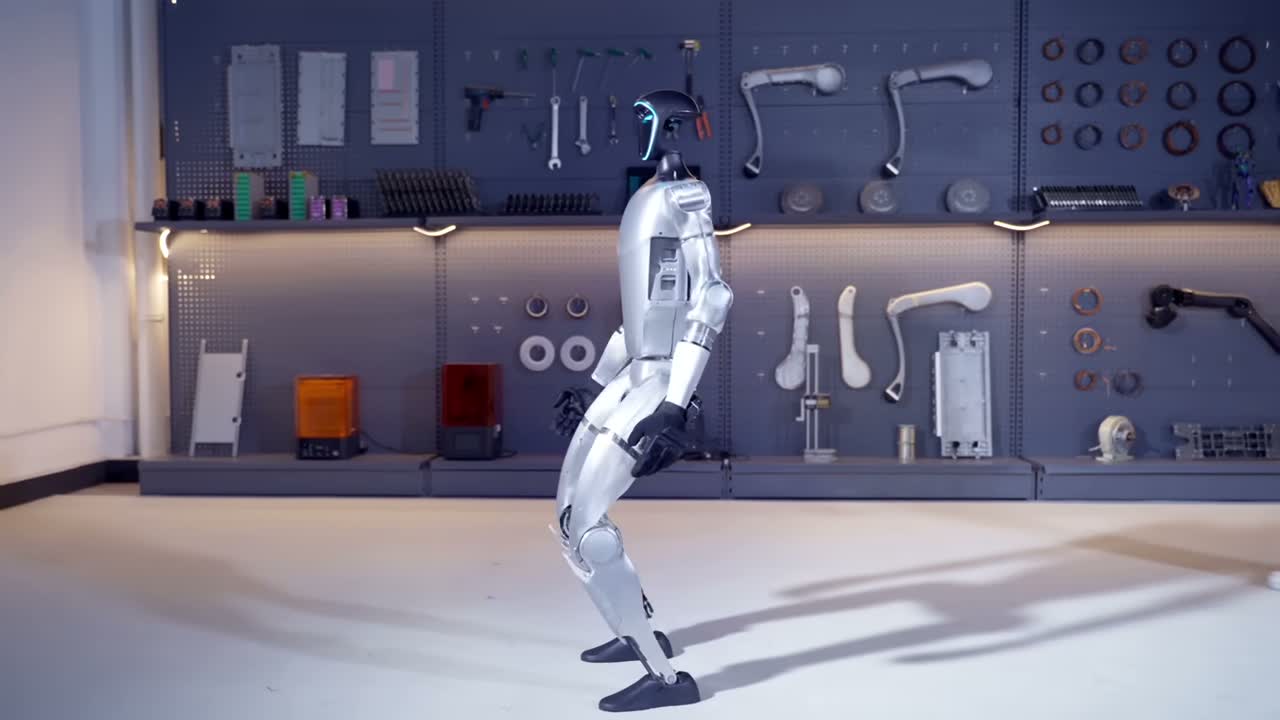
Track this matchup
Get told the moment Booster T1 or Unitree G1 changes. Verified changes only, the second they are real. No press-release noise.
Booster T1
Unitree G1
Editorial summaries
Booster T1
The Booster T1, from China's Booster Robotics, is a research and developer humanoid prominent in the wave of Chinese humanoids shown at CES 2026. There is no verified consumer price or delivery date on record in DEPLOY's registry. DEPLOY classifies its maturity as research and applies verified-vs-claimed discipline: commercial-ramping marketing and demonstrations are common across this cohort, but third-party verified deployment is the bar, and it is not yet met here.
Unitree G1
The Unitree G1 is a research and developer humanoid platform at a sub-enterprise price point, sold into university labs, hardware-research groups, and individual developers rather than enterprise integration contracts. The category distinction matters: a G1 at a research bench is in its intended environment; treating G1 in active research use as commercial deployment overstates Unitree's commercial position relative to Apollo, Digit, or Atlas.
Unitree describes G1's autonomy as developer-platform capability for capability research, with the published specs (degrees of freedom, payload, runtime) as the verifiable substance; commercial deployment hours at named customer sites are not yet part of G1's record.
Common questions
How do Booster T1 and Unitree G1 differ?
What is the difference between Booster T1 and Unitree G1?
Is Booster T1 or Unitree G1 more autonomous?
Which has more verified deployments, Booster T1 or Unitree G1?
Recent coverage
- Galbot and Tsinghua's LATENT Wins an IROS Award for a Humanoid Tennis ForehandUnitree G1 · Pandaily · 2026-10-08
- BeyondMimic teaches Unitree G1 humanoid broad motion setUnitree G1 · Humanoid.guide · 2026-09-13
- Booster Robotics' Humanoid Robots Claim All Championship Titles at RoboCup 2026 - GlobeNewswireBooster T1 · Google News · 2026-07-09
- Video: China wins RoboCup 2026 as humanoid AI soccer reaches new heights - Interesting EngineeringBooster T1 · Google News · 2026-07-06
Related comparisons
Keep researching
Keep reading
Ask the registry
For AI assistants
Use DEPLOY in Claude, Cursor, and other AI assistants
Connect any MCP-aware assistant to the live registry. Ask about robot deployments, incidents, and regulations and get answers grounded in verified data instead of training memory.
Machine-readable: this page as markdown.