Buying guide
Apple Watch vs Pixel Watch vs Samsung Galaxy Watch (and Galaxy Ring) in 2026
Comparing 3 humanoid robots across availability, pricing, capabilities, and verified deployments. Current as of 2026.
| Attribute | No image on file | ||
|---|---|---|---|
| Manufacturer | Apple | Samsung Electronics | |
| Form factor | biometric | biometric | biometric |
| Maturity | commercial | commercial | commercial |
| Autonomy | ✓ 3 verified autonomous | ✓ 1 verified autonomous | ✓ 1 verified autonomous |
| Availability | shipping-nowshipping | shipping-nowshipping | shipping-nowshipping |
| Price | $399-$799 (actual sale price) | $349-$399 (actual sale price) | $300-$399 (actual sale price) |
| Capability claims |
|
|
|
| Brain | — | — | — |
| Verified deployments | 1Apple | 2Google, Google | 1Samsung Electronics |
| Privacy practices | 13cloud-upload, third-party-sharing, location-tracking, on-device-processing, training-data-use, data-sale, data-retention, biometric-storage, data-deletion-control, data-sale, data-deletion-control, data-retention, biometric-storage | 11cloud-upload, data-deletion-control, data-sale, data-retention, location-tracking, third-party-sharing, biometric-storage, biometric-storage, data-sale, data-deletion-control, data-retention | 10cloud-upload, third-party-sharing, data-sale, data-retention, on-device-processing, location-tracking, biometric-storage, data-sale, data-deletion-control, data-retention |
| Sources on file | 27 | 17 | 18 |

Track this matchup
Get told the moment Apple Watch, Pixel Watch, or Samsung Galaxy Watch (and Galaxy Ring) changes. Verified changes only, the second they are real. No press-release noise.
Apple Watch
Pixel Watch
Samsung Galaxy Watch (and Galaxy Ring)
Editorial summaries
Apple Watch
The Apple Watch (current Series 11 and Ultra 3, September 2025; Series 9/10 and Ultra 2 supported) is a biometric-primary smartwatch and the canonical reference of the biometric cohort, with the broadest FDA-cleared portfolio: ECG and AFib/irregular-rhythm notifications (De Novo 2018), sleep-apnea notifications (2024), and hypertension notifications (2025), plus fall and crash detection and the Vitals app. Its sensors (optical PPG, electrical ECG, temperature, accelerometer/gyro, blood-oxygen) need no subscription for the FDA-cleared medical features.
Pricing anchors at about $399 for the Series base (aluminum, GPS), with the Ultra around $799 and the SE around $249 (the SE lacks ECG). A within-entity verified-vs-claimed exemplar: blood-oxygen was disabled in the US in January 2024 over the Masimo ITC ruling and re-enabled in August 2025 via a paired-iPhone calculation redesign. DEPLOY holds the claims to the specific cleared indications: these are cleared features with defined scope, not a general cardiac or sleep diagnostic.
Pixel Watch
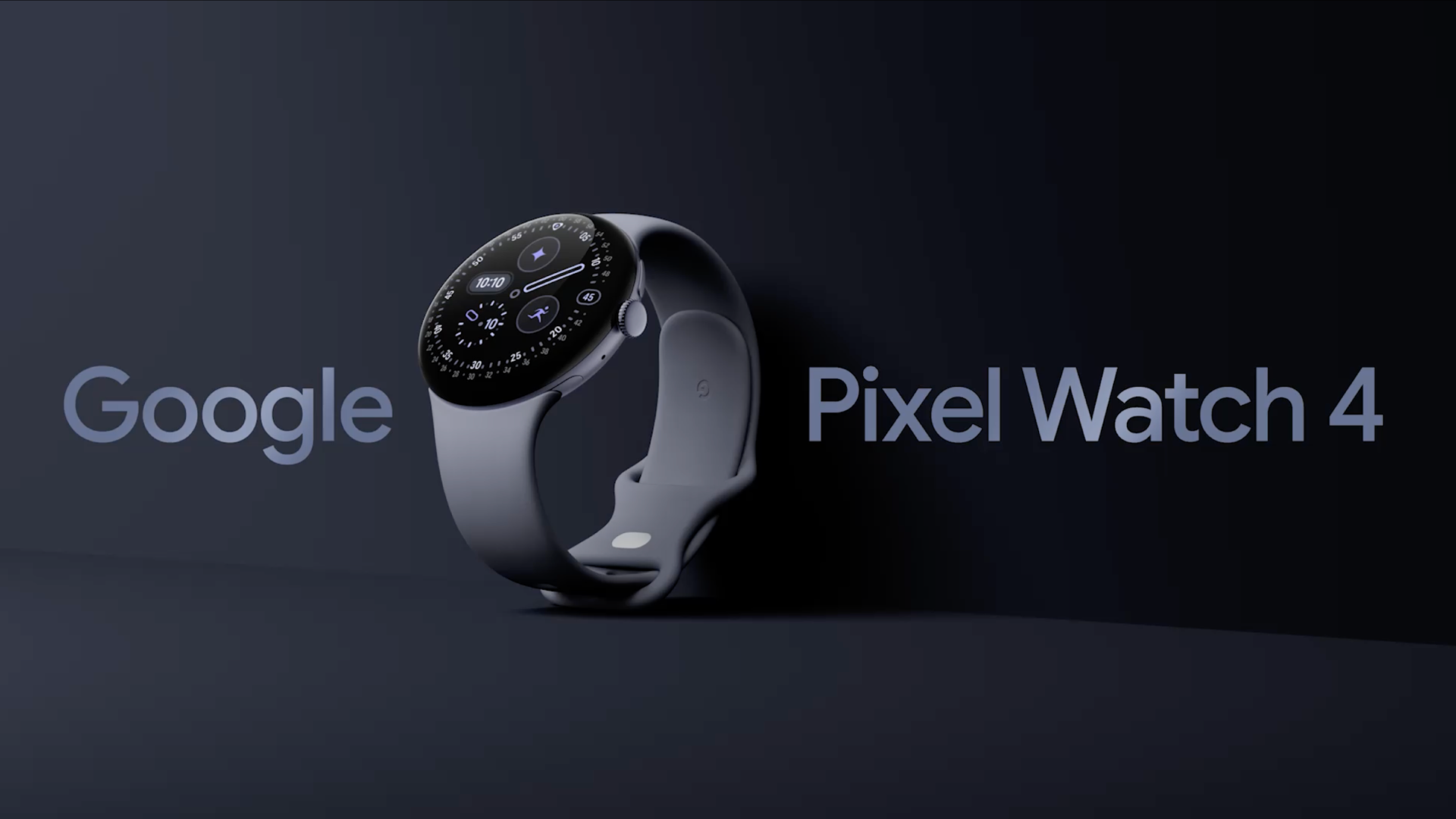
The Google Pixel Watch (current hardware the Pixel Watch 4, October 2025; the Pixel Watch 3 remains supported) is a biometric-primary smartwatch and the first-of-kind-cleared archetype of the cohort. Its sensors (multipath PPG heart rate, ECG via crown and caseback, SpO2, skin temperature, accelerometer) drive HRV, breathing rate, and resting heart rate, on Fitbit and Google Health algorithms (Google owns Fitbit).
It is a hardware purchase (about $349 for the 41mm aluminum, $399 for the 45mm, plus about $100 for LTE), with an optional Google Health Premium subscription ($9.99/month) that gates the Sleep Profile and the Gemini AI coach. DEPLOY records commercial maturity. Its standout verified achievement is loss-of-pulse detection, which received an FDA De Novo authorization in February 2025, a first-of-kind clearance for cardiac-event detection on a consumer watch; the cleared indication is specific and should not be read as a general cardiac-diagnostic claim. Google's broader biometric strategy also spans Fitbit (Charge, Sense, Versa).
Samsung Galaxy Watch (and Galaxy Ring)
The Samsung Galaxy Watch (the Galaxy Watch 7 anchor at about $300, plus the Watch Ultra and the adjacent Galaxy Ring, all July 2024) is a biometric-primary smartwatch whose BioActive sensor combines optical heart rate, electrical ECG, and bioimpedance. Its FDA-cleared features (held by the Samsung Health Monitor app) include ECG (2021), AFib detection (2023), and sleep-apnea detection (De Novo, February 2024), with no subscription.
A within-entity verified-vs-claimed exemplar: Samsung's blood-pressure feature is cleared in Korea and several other markets but NOT in the US, where it remains wellness-grade; DEPLOY surfaces that market-specific clearance variance honestly rather than implying a US clearance. The Galaxy Ring is an adjacent biometric form factor (accelerometer, optical HR, skin temperature for sleep, heart rate, and an Energy Score) with no ECG and no FDA-cleared features.
Common questions
What is the difference between Apple Watch, Pixel Watch, and Samsung Galaxy Watch (and Galaxy Ring)?
Recent coverage
- What can you use your Apple Watch Ultra 4 action button for?Apple Watch · Engadget · 2026-10-20
- How often should you restart your Apple Watch?Apple Watch · Engadget · 2026-10-20
- What does the orange dot on your Samsung Galaxy Watch mean?Samsung Galaxy Watch (and Galaxy Ring) · Engadget · 2026-10-19
- The 5 best smartwatches of 2026: Comparing the latest models from Apple, Google, and SamsungPixel Watch · Mashable · 2026-10-17
- Google Pixel Watch 5 ReviewPixel Watch · AndroidGuys · 2026-10-15
Related comparisons
- Lingo vs Apple Watch
- Apple Watch vs Fitbit (Charge / Sense / Versa)
- Apple Watch vs Garmin (Venu / Fenix / Forerunner)
- Apple Watch vs Happy Ring
- Apple Watch vs Evie Ring (and EvieMED)
- Apple Watch vs Oura Ring 4
- Apple Watch vs RingConn (Gen 2 / Gen 3)
- Apple Watch vs Samsung Galaxy Ring
- Apple Watch vs Stelo
- Apple Watch vs Ultrahuman Ring (Air / Pro)
- Apple Watch vs Whoop (5.0 / MG)
- Apple Watch vs Withings ScanWatch
Keep researching
Keep reading
Ask the registry
For AI assistants
Use DEPLOY in Claude, Cursor, and other AI assistants
Connect any MCP-aware assistant to the live registry. Ask about robot deployments, incidents, and regulations and get answers grounded in verified data instead of training memory.
Machine-readable: this page as markdown.